
National Office
Please enter the office location/term above to receive results for your closest office as well as information matches
National Office
Please enter the office location/term above to receive results for your closest office as well as information matches
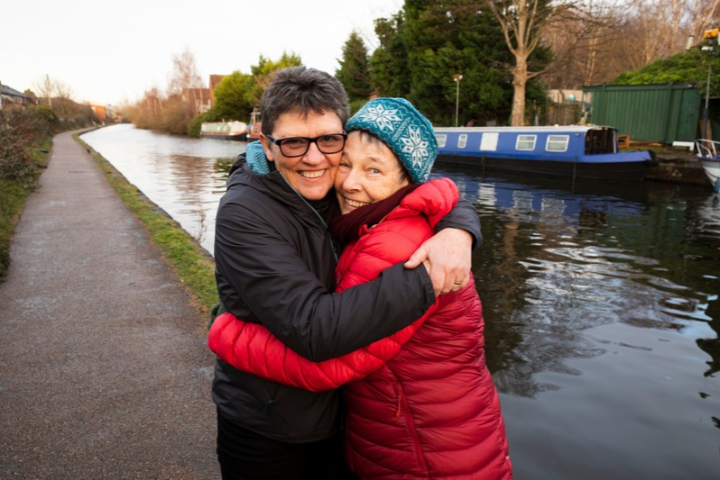
The pain is all too real. As an older gay man recalls: “I remember people saying to me, ‘You’ve lost a good friend’, and I felt something almost clicking in my head … I almost exploded, because I thought, ‘I haven’t lost a friend, I’ve lost someone that’s been part of my life for 25 years.’”
As LGBT+ people age there’s an ever-present, but largely unspoken, fear that they’ll be pushed back into the closet when facing social or end-of-life care, or risk ‘coming out’ and risk facing rejection, lack of understanding or potentially the devaluation of their lives and experiences.
From the civil rights movement and Stonewall era of the 1960s, to the campaign to remove Section 28, the AIDS crisis of the 80s and eventually the recognition of same sex marriage, the road to equality, decriminalisation and recognition has been a long and painful journey for many older LGBT+ people in the UK. And now, some of those people who were at the forefront of these bruising and hard won battles are facing new fears as they age.
It’s not about the dread of going into ‘care’, which many of us might feel. It’s also about the fear of experiencing prejudice, of losing autonomy as an LGBT+ person, or being invisible to those who might make decisions about our future. There’s also the very specific fear of being excluded from care planning by blood families who aren’t supportive and possibly don’t know about or accept different relationships.
Sue Gorbing, founder of the EMBRACE network in Shrewsbury says:
“There’s an exhausting emotional energy required by LGBT+ people to constantly explain their lives and experiences to health and social care providers who may make assumptions, including that a spouse or partner is “just a friend” or sibling. This can be really stressful and so unnecessary at a time when we are most vulnerable”.
As an older LGBT person said: “My partner’s family didn’t know we were a couple even though I was her main carer. When we were with her family it led to tensions where we had to remember what we should and shouldn’t say or how to behave.”
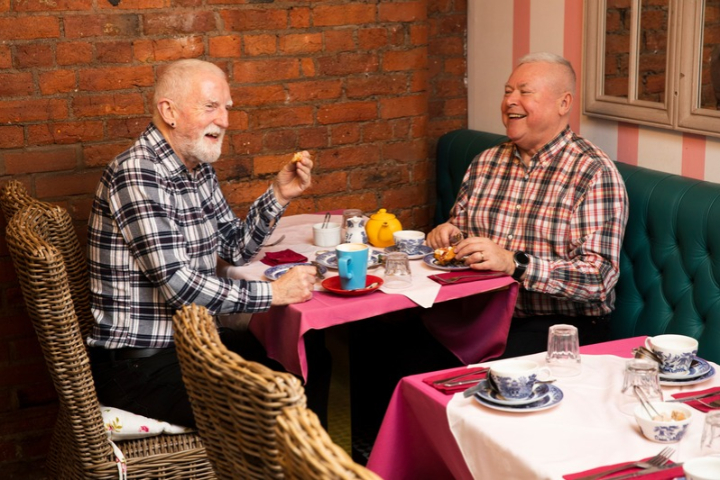
This “re-closeting” is compounded for many older LGBT+ people, who carry a deep-seated mistrust of health care systems from decades of institutional marginalisation. For example, some have suffered historical “treatments” like conversion therapy, or lived through the devastating stigma of the HIV/AIDS epidemic. What’s more, many LGBT+ older people are statistically more likely to age alone – often lacking traditional family support systems or recognition or acceptance from their faith communities.
Here at Radfield Home Care, we believe that people should define, develop and live their own identities – whatever that might be. That’s why we ensure that our care moves beyond passive “tolerance” to actively address the issues that can isolate aging LGBT+ individuals. Plus, by being members of the EMBRACE network we do what we can to address the lack of awareness among care professionals and challenge the assumptions that older LGBT+ people “don’t exist” in their area.
So what does that look like in practice? Because Radfield’s entire approach is about affirming the individuality of everyone we look after, it’s about moving on from the idea that we need to treat everyone the same. This kind of neutral care actually ignores the unique vulnerabilities and challenges facing people for this particular community.
It’s also about recognising that not everyone uses standard or contemporary LGBT+ terminology – especially if they have grown up in an era when these matters were never discussed. Care Professionals need to adapt to individuals and protect that person’s rights and dignity. It means that relationships should be intentionally validated and embraced during care intake and planning, as well as ensuring partners are never ignored or sidelined during bereavement. Lastly, we realise that some people have chosen families, who are just as important, special and emotionally-bonded as birth families.
The truth is, ageing and navigating care – including end-of-life care – shouldn’t mean that someone has to compromise the authenticity that they’ve spent a lifetime fighting for.
True dignity in care comes from making sure that older LGBT+ people are fully seen, safely included, and empowered to love and grieve openly.

Richard combines senior leadership experience with hands-on care expertise to ensure our clients and their families feel valued and connected to their local community.
Read moreGet in touch with your local Radfield Home Care office today and find out more about the support we offer and the difference we can make.