
Altrincham, Sale & Trafford
Please enter the office location/term above to receive results for your closest office as well as information matches
Altrincham, Sale & Trafford
Please enter the office location/term above to receive results for your closest office as well as information matches
As we grow older, our bodies go through various changes, and we become more susceptible to health problems such as Type 2 Diabetes. Diabetes is a long-term condition that affects how your body uses sugar or glucose. It is a condition that causes the blood sugar level to become too high, which can lead to serious health problems if left untreated. This condition is becoming more common among older people in the UK, and it is important to understand the symptoms and take action to manage the condition. Type 2 Diabetes is the most common type of diabetes in older people and can be managed with the right care.
At Radfield Home Care, we understand how challenging it can be to manage diabetes symptoms in older people. In this article, we will discuss the symptoms of Type 2 Diabetes and how to manage them with the help of our Care Professionals.
Disclaimer: This article is intended to be informative, not prescriptive. If you, or someone close to you, are exhibiting symptoms of an illness such as diabetes, you should consult your GP or equivalent medical professional immediately.
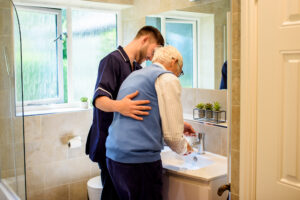
According to data published by Diabetes UK, over 4.7 million people in the UK have a formal diabetes diagnosis, while an estimated 1.3 million individuals may be living with undiagnosed type 2 diabetes. Managing diabetes in older adults requires a proactive approach, especially since age-related changes can mask rising blood glucose levels.
When reviewing the symptoms of diabetes in 2026, recent health data highlights the growing importance of early detection among older age groups. For family members noticing small changes in a loved one’s energy or habits, asking what are the symptoms of diabetes is the first step toward securing timely medical guidance
It is essential to know the symptoms of Type 2 Diabetes in older people in the UK to prevent complications and manage the condition effectively. Here are the most common symptoms of Type 2 Diabetes:
Understanding the symptoms of diabetes involves looking beyond basic thirst to subtle daily shifts. For instance, the symptoms of diabetes in older women may present differently from men, frequently appearing as recurrent urinary tract infections (UTIs), persistent thrush, or uncharacteristically dry, itchy skin. Spotting the early signs of diabetes in women over 60 is particularly helpful, as post-menopausal changes can sometimes obscure metabolic symptoms.
Conversely, the symptoms of diabetes in older men over can often include sudden bouts of lethargy after meals or frequent nighttime trips to the bathroom, and unexplained loss of muscle mass.
If you or your loved one is experiencing any of these symptoms, it is important to seek medical advice immediately.

According to health research from NHS England, diabetes in older adults is widespread, affecting more than 20% (one in five) of individuals aged 65 and older. There are a variety of risk factors to look out for that can increase the likelihood of Type 2 Diabetes developing. These include:
Type 2 Diabetes can be managed with the right care and support. At Radfield Home Care, our Care Professionals are trained to provide care that adheres to personalised care plans that meet the unique needs of each person. Here are some ways our Care Professionals can help manage Type 2 Diabetes symptoms:

Our Care Professionals can work with your loved one to create a balanced diet plan that meets their nutritional needs and manages their blood sugar levels.
Care plans can be tailored for diabetes care to encourage and assist with physical activity that is safe and suitable for your loved one’s abilities.
Managing diabetes requires taking medication as prescribed by a healthcare professional. Our Care Professionals can help older people to manage their medication, ensuring they take the right dose at the right time. This can be especially important for people who may have difficulty remembering to take their medication, or who may have trouble reading labels or opening containers. Our care teams can also help with reordering medication from a GP and ensuring it is delivered on time.
Maintaining a healthy lifestyle is essential for managing Type 2 Diabetes. Our Care Professionals can assist with daily tasks such as cooking healthy meals and doing light exercise, which can help to manage blood sugar levels. We can help with grocery shopping, meal preparation, and light exercises such as walking or gentle stretching. We can also provide companionship during meal times, ensuring that our clients have someone to share meals with and providing social interaction that can help to reduce stress and improve overall well-being.
Regular monitoring of blood sugar levels is an essential part of managing Type 2 Diabetes. Our Care Professionals can help you to stay on top of your health and communicate effectively with your healthcare providers.
A diabetes diagnosis can be overwhelming for older people, especially those who may be dealing with other health problems or who may feel isolated or lonely. Our Care Professionals can provide emotional support and reassurance, helping older people to manage the condition more effectively while fighting isolation. We can offer a listening ear, provide encouragement, and help our clients to Be Themselves by finding ways to stay engaged in their communities and maintain their interests and hobbies.
Transportation can be a barrier to accessing healthcare and managing diabetes effectively. Our Care Professionals can provide transportation to and from medical appointments, ensuring that our clients receive the care they need. We can also provide transportation to community events and activities, helping our clients to stay engaged and connected to their communities.
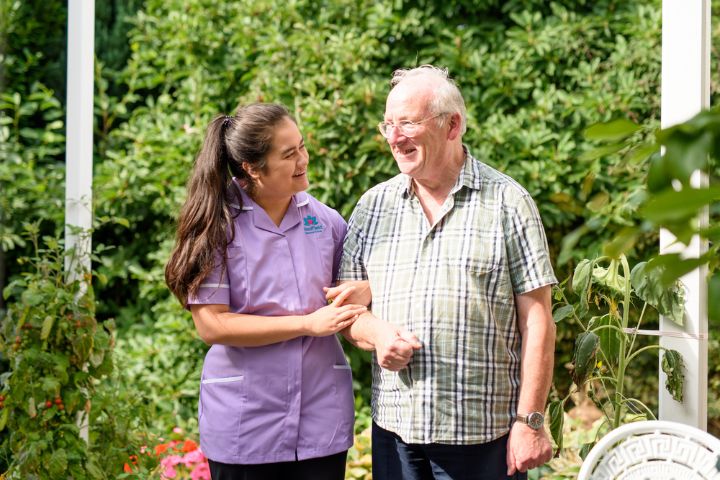
At Radfield Home Care, we are committed to helping older people age well by providing high-quality, personalised care in the comfort of their own homes.
Supporting diabetes in older adults through compassionate home care enables individuals to maintain their routines safely without feeling defined by their diagnosis. Staying informed about the symptoms of diabetes in men & women over 60 helps families take decisive steps to protect their relatives’ health and independence
If you or your loved one needs support with managing Type 2 Diabetes symptoms or you would simply like to chat about how we might be able to help, contact us to find out more.