
Altrincham, Sale & Trafford
Please enter the office location/term above to receive results for your closest office as well as information matches
Altrincham, Sale & Trafford
Please enter the office location/term above to receive results for your closest office as well as information matches
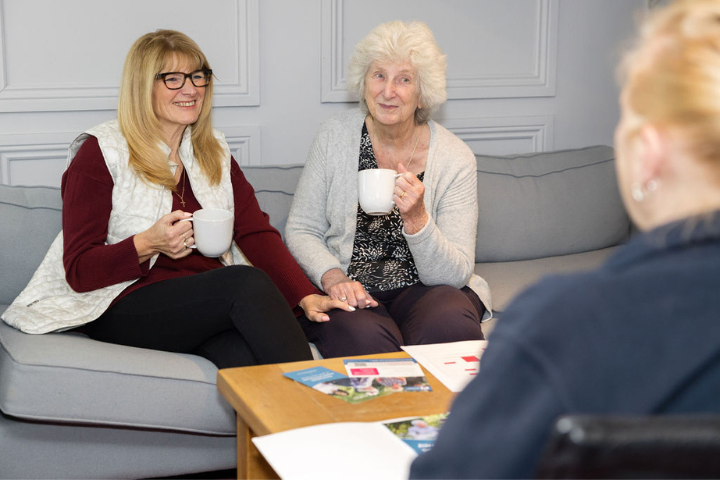
Exceptional care starts long before a Care Professional steps through a client’s front door. It begins during the recruitment process: identifying the right individuals, understanding their personal values, and recognising their potential to make a genuine, positive difference in someone’s daily life.
As Recruitment and Training Manager, my responsibility is to ensure we recruit team members who share our dedication to compassionate, person-centred support. When reviewing applications for our care professional jobs in home care, my approach is built around a simple belief::
“I can teach people the practical skills required, but I cannot teach people how to care.”
For me, this is at the heart of successful recruitment in the care sector. Practical skills, knowledge and confidence can be developed through training, experience and ongoing support. However, genuine compassion, empathy, patience and a desire to help others are qualities that are much harder to instil if they are not already there.
This does not mean that experience is unimportant. Rather, it means recognising that a candidate’s previous job title or employment history does not always tell the whole story. Someone who has never worked in home care may possess exactly the personal qualities needed to become an exceptional Care Professional. Our responsibility is to identify that potential and provide the right environment for it to flourish.

Recruiting for home care requires finding people who not only meet the practical requirements of the role, but who also understand the responsibility of supporting others in their own homes.
Previous care experience is useful, but it does not automatically guarantee that a candidate possesses the warmth, kindness, and moral compass needed to deliver high-quality support. Conversely, a lack of direct care experience should never disqualify a promising applicant. Many people interested in starting a career in care with no experience worry that their background will hold them back, yet their life experiences often make them natural caregivers.
Whether a candidate has worked in retail, customer service, hospitality, childcare, or is entering the workforce for the very first time, they frequently bring invaluable transferable skills for care jobs. Active listening, clear communication, patience, problem-solving, and emotional resilience are cultivated in many different working environments.
The recruitment challenge lies in assessing these human qualities accurately, while ensuring that every successful candidate meets all statutory pre-employment checks, references, and Disclosure and Barring Service (DBS) safety requirements.
Meeting applicants in person allows me to observe their communication style, emotional intelligence, and natural manner when discussing the day-to-day realities of supporting older people.
During our interviews, I look beyond qualifications and job titles. I want to understand why someone wants to work in care, what caring for another person means to them and how they would respond to situations requiring patience, sensitivity and understanding.
Our interview questions focus on uncovering:
When interviewing candidates who are starting a career in care with no experience, I do not expect them to know everything. I look for the right attitude, values and potential to develop. I would rather recognise genuine compassion in someone who needs to learn practical skills than assume experience alone determines who will make a good care professional.
This approach does not mean compromising on standards. Values and attitude are considered alongside the necessary recruitment checks and assessments. It means looking at the whole person and recognising the qualities that can form the foundation of excellent care.

Recruitment is only the beginning. Once someone joins Radfield Home Care, we have a responsibility to help them develop the knowledge, practical skills and confidence required to deliver safe, effective and compassionate care.
Our induction and training provide new starters with the foundations they need to understand their responsibilities and the standards expected of them. Shadowing is also an important part of their introduction to the role, giving them the opportunity to observe experienced colleagues, see good practice in action and become familiar with the realities of working in people’s homes.
Understanding how care providers train new care assistants is essential for anyone considering a transition into the sector. At Radfield Home Care, our comprehensive induction programme grounds every recruit in the 15 standards of the Care Certificate: the national benchmark for adult social care established by Skills for Care.
New starters receive detailed classroom and practical instruction in:
This support is particularly valuable for those starting a career in care with no experience. They may already possess the compassion and willingness to help that attracted us to them during recruitment, but they still need guidance and experience to translate those qualities into professional practice.
My support continues beyond induction. I arrange a 12-week touchpoint with new team members to discuss how they are settling into their role, how confident they feel and whether they need any additional guidance or support.
This provides an opportunity to listen to their experiences, recognise their progress and identify any concerns before they become more significant challenges. It also reinforces that new starters are supported as they develop, rather than simply being recruited and left to find their own way.
By combining values-led recruitment with training, shadowing and follow-up support, we give people the opportunity to develop their abilities while maintaining the standards expected of a Radfield care professional.
The practical effectiveness of recruiting for values is clearly reflected in our recent hiring outcomes.
Of our eight most recent recruits, five had never worked in home or social care before joining Radfield. Their professional backgrounds varied widely:
All five individuals successfully completed their initial training and passed their probationary periods with distinction. Their success proves that candidates with strong transferable skills for care jobs can transition into social care smoothly when given high-quality training and attentive mentorship.
The achievements of these team members have gone even further. Two of those five recruits have already been nominated for regional care awards. These nominations highlight the exceptional standard of care delivered by individuals who were brand new to the sector only months earlier. By looking beyond traditional CVs, our recruitment process uncovered dedicated professionals who have quickly become assets to our clients and our wider care team.

Recruiting for values creates opportunities for people who may never previously have considered a career in elderly care. For someone entering their first job, it can be the beginning of a rewarding career. For those moving from childcare or retail, it provides an opportunity to apply existing people skills in a different and meaningful setting.
According to workforce intelligence from Skills for Care, the adult social care sector in England experiences an average annual staff turnover rate of approximately 28.3%. However, employers that embed values-based recruitment and structured workplace mentoring achieve turnover rates that are between 6% and 10% lower than the national average, with new recruits up to 19% less likely to leave within their first twelve months.
For Radfield Home Care, this approach helps us build a workforce focused on dignity, respect, independence and compassionate care. For our clients, having care professionals who approach their work with empathy and a genuine interest in their wellbeing is an important part of a positive care experience.
However, recognising potential is only meaningful if we are prepared to invest in it. Appropriate training, practical experience, guidance and ongoing communication are essential in helping new starters turn their personal qualities into safe and effective care.

If you are a naturally compassionate person looking for a purposeful career, we would love to speak with you. Whether you have years of care experience or are considering care professional jobs in home care for the very first time, our team provides full training, paid shadowing, and continuous career development.

Amanda ensures that all potential Care Professionals are of the highest quality and suited for the role and provides a smooth onboarding process for them.
Read moreGet in touch with your local Radfield Home Care office today and find out more about the support we offer and the difference we can make.