
Gold Winner 2026 Most Outstanding National Home Care Group or Franchise Network

HCA Gold Winner 2026 Most Outstanding National Home Care Group or Franchise Network

We're here for you

03301 757 695

National Office

National Office

Please enter the office location/term above to receive results for your closest office as well as information matches

Header Overlay

Is my parent safe to live alone in 2026? Subtle signs you’ll miss on a weekend visit

Written by Hollie Bradbury

You drive down for the weekend expecting a relaxing visit, but within ten minutes of walking through the front door, a question starts echoing in your mind: is my parent safe to live alone?

Maybe you spot dishes piling up in the sink, notice the house isn’t quite in its usual tidy state, or realise Mum or Dad is wearing the same outfit two days in a row. Even if they greet you with a warm smile and put the kettle straight on, it’s easy to confuse a good afternoon with long-term safety.

People rarely stop coping overnight. More often, it’s a slow, quiet erosion of daily routines. Spotting the key signs an elderly parent shouldn’t live alone isn’t about waiting for a sudden crisis, it’s about knowing how to read these small, subtle clues hidden beneath a normal weekend visit.
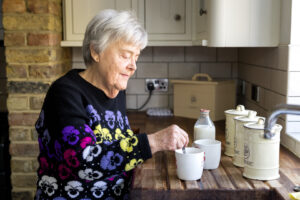
Image depicting an elderly parent, showing signs of cognitive function decline

How to know when an older parent shouldn’t live alone in 2026?

An older parent usually shouldn’t live alone when everyday routines begin to pose quiet safety risks such as unmanaged falls, missed medications, poor nutrition, or cognitive disorientation, all of which compromise their health and wellbeing without daily support.

There is a big difference between normal ageing, such as moving a bit slower or taking a moment to remember a name, and true safety risks. The difficulty is that a 48-hour weekend stay only gives you a curated snapshot of your parent’s life, rather than the full 24/7 reality.

When you start asking “is my parent safe to live alone?”, it is usually because small, unusual details have started to accumulate over several months. Spotting the key warning signs means looking closely at how they manage the quiet hours when nobody else is in the house to help them out.

An image of a parent opening a door - Topic, can my parent live alone

Spotting subtle signs an elderly parent shouldn’t live alone

Brief family visits mask hidden care needs because aging parents frequently put on a “brave face”, exerting immense short-term physical and emotional energy to clean, cook, and appear fully independent out of fear of losing their autonomy or worrying their children.

To get an accurate picture, you need to look beyond the main front room and pay attention to the quieter corners of the house.

Physical and personal clues

  • Changes in personal hygiene: Noticing that Mum or Dad is showering or bathing less often, or looking a bit less well-maintained than usual. Washing can feel exhausting, or even terrifying, if a fear of slipping in the bathroom has crept in.
  • Wardrobe and footwear issues: Managing buttons, zips, or doing laundry often becomes too daunting, leading to unwashed clothes staying in rotation. Check their footwear too, are their slipper soles worn completely smooth?
  • Furniture walking: Look for unexplained, faint bruising on their upper arms, hips, or thighs. This often happens when someone is secretly struggling with balance and uses chairs, doorframes, and tables to steady themselves as they move around.
  • Subtle weight loss: Clothes looking noticeably looser or belts pulled to a new hole can suggest they are skipping proper meals when eating by themselves.

Kitchen and larder clues

  • General housekeeping neglect: Look at the kitchen as a whole. Sticky worktops, unemptied bins, or unwashed saucepans left on the stove are tell-tale indicators that basic daily chores are taking far more energy than your parent has to give.
  • The fridge and cupboards: Open the fridge doors. Is there expired dairy or mouldy produce tucked behind fresh items bought just for your arrival? Are the cupboards filled with duplicate unopened tins because they forgot what they already had?
  • Scorch marks: Look closely at the undersides of saucepans, tea towels, or the edge of the kitchen worktop for subtle burn marks, a quiet sign of forgotten hobs or mislaid kettle lids.

Home environment

  • Unusual temperatures: Is the house uncharacteristically cold? Radiators switched off in mid-winter can point to financial anxiety, confusion over boiler timers, or simply a loss of temperature awareness.
  • Drawn curtains: Keeping heavy curtains drawn during daylight hours can be a quiet indicator of low energy, fear of callers, or declining mood.

Identifying these subtle signs of self neglect in older parents helps you address safety concerns long before they escalate into a health crisis, and should hopefully point you in the right direction if you’re asking the question of “is my parent safe to live alone?”.

Care Professional helping out an elderly client

When is it unsafe for a dementia patient to live alone in darker months?

It becomes unsafe for a person with dementia to live alone during darker months when reduced daylight hours and colder weather trigger severe disorientation (sundowning), hazardous heating use, or heightened fall risks on dark steps and icy paths.

  • Sundowning and disorientation: The early onset of dark evenings can trigger confusion, restlessness, or reversed sleep cycles.
  • Heating and boiler controls: Modern digital thermostats can be deeply confusing. If someone struggles to adjust their heating, forgets how to bleed a radiator, or relies on unsafe portable radiant heaters, their home environment quickly becomes risky.
  • Slip and fall hazards: Dark hallway steps, icy garden paths, and a reluctance to turn on electric lights to “save on bills” dramatically increase fall risks during winter stays.

Image of Care Professional helping a client dress

Signs of cognitive function decline

You can check for signs of cognitive function decline discreetly by casually observing how your parent manages multi-step tasks and daily organisation, such as preparing a meal, handling post, or taking medication, without making them feel tested or audited.

Cognitive function is the brain’s command centre, it governs our ability to plan, organise, manage time, and execute complex routines. Crucially, signs of cognitive function decline in older adults often appear long before memory loss becomes obvious.

  • The mailbox and paperwork: Take a casual look at the side table or hallway shelf. Are there stacks of unopened post, final demand notices tucked into drawers, or duplicate charitable donation requests?
  • Medication blister packs: Check their pill organiser or prescription boxes. Are there missed days, doubled-up slots, or loose tablets scattered at the bottom of a handbag or bedside table?
  • Cooking together: Offer to make lunch or dinner together. Watch gently as they manage multi-step tasks. Do they struggle to juggle boiling the kettle, laying the table, and watching toast at the same time? Becoming easily flustered by simple cooking sequences is one of the classic signs of cognitive function fatigue.

Client and their relative holding hands

Uncovering social and emotional signs of struggle

Physical safety is only half the picture. Emotional retreat is often the very first sign that living alone is becoming too heavy a burden for an older adult.

  • Stepping back from hobbies: Have they stopped attending their weekly bowling group, church service, or local coffee morning? Often, they haven’t lost interest; rather, the process of getting dressed, finding keys, and driving or booking transport simply feels overwhelming.
  • Neglect of pets: A beloved dog or cat that looks ungroomed, or food bowls that remain unwashed, can signal that basic daily care is taking all their energy.
  • Shifts in temperament: Becoming unusually quiet, defensive, or easily overwhelmed by lively family chatter often stems from the exhaustion of trying to keep up.

2 individuals discussing "is my parent safe to live alone?"

From safety inspector back to son or daughter

Asking yourself “is my parent safe to live alone?” is an emotionally heavy question. It brings up feelings of worry, guilt, and sadness. But recognising that your parent needs support doesn’t mean forcing them into a residential care home or stripping away their independence.

Having a Care Professional pop in once or twice a day handles safety monitoring, medication reminders, meal preparation, and heavy household chores behind the scenes. It removes the silent burden from your parent’s shoulders, and from yours.

Most importantly, when professional care is in place, you don’t have to spend your precious weekend visits acting like a hyper-vigilant safety inspector. You can step back, relax, and go back to doing what matters most: simply being their son or daughter, enjoying a warm cup of tea and a proper catch-up together.

From safety inspector back to son or daughter

Need peace of mind before your next visit?

If you have noticed subtle changes in a parent and want to talk through your options, our friendly local team is here to help.

At Radfield Home Care, we offer free, zero-obligation consultations to discuss how a little tailored support can keep your loved one safe, happy, and independent in the home they cherish.

Reach out to your local Radfield Home Care branch for a warm conversation today!