
National Office
Please enter the office location/term above to receive results for your closest office as well as information matches
National Office
Please enter the office location/term above to receive results for your closest office as well as information matches
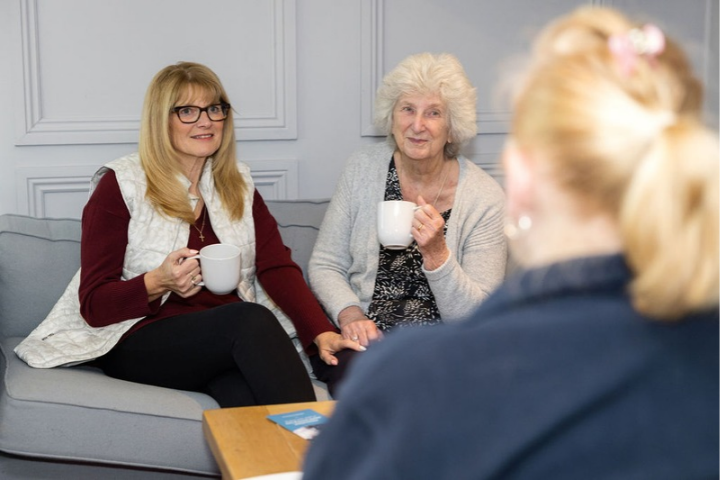
The doorbell rings. For the person answering it, this may be the first time they have welcomed a Care Professional into their home. For their adult son or daughter, it may be the first time someone outside the family has come to help
Both are often wondering the exact same thing: what happens during a home care visit?
It is a completely natural question. Many people have a fixed picture of home care in their minds, but it rarely reflects what everyday support actually looks like.
Accepting help does not mean handing over the running of your home or losing control of your daily routine. It simply starts with understanding how you live and where a little extra support would make a real difference.
Before a Care Professional makes that first visit a member of the Radfield team will have met with the person considering care and if they wish, their family. This is an opportunity to assess what support may be needed and just as importantly, to hear what the person wants from it.
The conversation goes beyond a list of tasks. What does a normal day look like? Which routines are important? What does the person enjoy and what do they dislike? How do they prefer things to be done in their home?
Families can share what they have noticed and ask questions, while the person receiving care remains at the centre of the discussion. This is called a person-centred assessment.
Together, we agree on a care plan that sets out the support to be provided. One person may want help getting ready in the morning. Another may manage that perfectly well but welcome company for lunch or help getting to an activity. For some it may just be setting up time for a chat or a cup of tea a couple of times a week.
There is room to say, “I would appreciate help with this, but I would rather do that myself.” By the time the Care Professional arrives, the scene has already been set.
At the start of a visit, the Care Professional will introduce themselves. They already have a plan to guide them called a task list but they also take their cue from the person in front of them.
Especially on a first visit, getting acquainted matters. A conversation over a cup of tea may be as valuable a beginning as getting straight into a task.
What happens next depends on what has been agreed, a visit might include:
Some people need several visits a day; others begin with a weekly companionship visit. The purpose is to help with the parts of the day that have become difficult while making space for the person to keep doing what they can and enjoy.
This is an understandable worry. Home is personal. We all have our own way of doing things, from where the mugs belong to when we like breakfast.
Good care pays attention to those details. The Care Professional is a guest in someone’s home and is there to provide agreed support. If a person likes to make their own tea, choose their clothes or fold the washing a particular way then those preferences matter.
Support should work with the person’s routine, not replace it without a conversation. Again, person-centered.
It can, if that is what someone needs and has agreed to. But home care also includes practical help, companionship and support to get out and about. A first step might simply be a familiar face visiting regularly, making lunch together or accompanying someone to a local group.
There is no single point at which someone suddenly becomes “in need of care.” It is reasonable to ask about a little help before everyday life becomes overwhelming.
For many people this is the hardest part to imagine. Your home is your private space and it is natural to feel unsure about inviting someone new into it. The first visit may feel a little unfamiliar even when you have decided that support would be helpful.
That is why the conversation before care begins matters. You can explain what you are comfortable with, which parts of your routine you value and anything you would prefer the Care Professional to leave to you.
They are there for the support you have agreed and a relationship can grow through ordinary conversation and visits over time. You can also tell the team if something about a visit has made you uncomfortable.
It is easier to welcome help from someone who becomes a familiar face. We try to provide that continuity and to match Care Professionals thoughtfully with the people they support.
Sometimes though, a different member of the team will need to visit. We would rather be open about that than promise the same person every time.
The care plan gives anyone visiting a starting point for understanding your routines and preferences, and you can ask the team how changes to visits will be handled.
Starting care is a change and it can take time to feel comfortable. Tell the team what is working and what could be better. Perhaps the visit would work better at another time, a task needs doing differently or the person’s needs have changed.
The plan can be discussed and reviewed rather than treated as a fixed script.
For an adult child, that ongoing conversation is reassuring. For a parent, being listened to helps care feel like something they have chosen and helped shape.
The best outcome is not simply that a list of tasks gets done. It is that someone can continue living in their own home with more confidence, comfort and connection to the people and places that matter to them.
If you are wondering what happens during a home care visit for you or a parent in Camberley, Farnborough or Fleet, speak with our local Radfield Home Care team at 01276 786547.
You can tell us what an ordinary day looks like, what is becoming harder, and what you would like to keep doing. That is where a useful conversation begins.

Mike is our community engagement manager in the Camberley and Guildford areas, maintaining Radfield’s key relationships in the community.
Read moreGet in touch with your local Radfield Home Care office today and find out more about the support we offer and the difference we can make.