
National Office
Please enter the office location/term above to receive results for your closest office as well as information matches
National Office
Please enter the office location/term above to receive results for your closest office as well as information matches
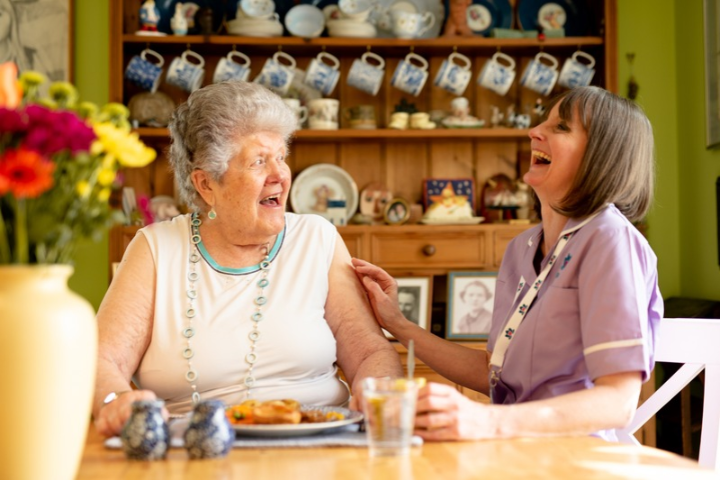
As our parents get older, it is natural to want them to remain happy and independent in their own homes for as long as possible.
Yet sometimes, we begin to notice subtle changes. Perhaps Mum is not eating as well as she used to, Dad seems less confident going out to the shops, or the house is not quite as tidy as it once was. These shifts happen gradually, and working out when is it time for home care rarely comes down to a single dramatic moment; instead, it is usually a slow realisation that everyday routines are becoming harder to manage alone.
Supporting an ageing parent is not necessarily about introducing full-time care overnight, but arranging a little tailored help to make daily life safer and more enjoyable.

Spotting the early signs a parent needs home care gives your family the breathing space to explore options calmly, rather than making rushed decisions after an emergency hospital admission.
One of the earliest indicators that an older parent may benefit from home care support is a change in their usual personal care routine. You might notice that they are wearing the same clothes several days in a row, finding it difficult to step safely into the shower or bath, or struggling with buttons, zips, and footwear.
This does not mean they can no longer live independently. Sometimes a little unhurried encouragement and physical assistance in the morning makes all the difference. A trained Care Professional can assist with personal hygiene while respecting your parent’s dignity, privacy, and daily preferences.
Have you noticed that your parent is skipping meals, losing weight, or relying almost entirely on biscuits, toast, and cold snacks? Preparing fresh food becomes tiring when joints ache, eyesight fades, or motivation drops after bereavement.
Regular visiting care provides practical support with grocery shopping, hot meal preparation, and regular drinks to prevent winter dehydration. Just as importantly, having friendly company at the dining table restores the social pleasure of mealtimes.
Occasionally misplacing keys or forgetting a name is a normal part of ageing, and memory lapses can stem from treatable causes such as vitamin deficiencies, medication side effects, or urinary tract infections. You should always encourage a visit to their GP if you notice sudden changes.
However, understanding the signs you need dementia care for a parent helps families put specialist support in place early. In Barnet, the diagnosed dementia rate among people aged 65 and over stands at 4.59%, higher than both the London and national averages, with an estimated 4,592 local residents living with dementia.
Key signs you need dementia care for a parent include:
When you notice signs you need dementia care for a parent, familiar surroundings and consistent routines become essential. Specialist dementia care at home keeps your parent anchored to the environment they recognise best.
Perhaps your parent has started avoiding the stairs, holding onto furniture as they walk through the lounge, or making excuses to stay indoors. According to the NHS, around 1 in 3 adults aged 65 and over, and half of those aged 80 and above, experience at least one fall every year.
A single fall, or even the quiet fear of falling, can rapidly erode an older person’s confidence. Support at home can include safe mobility assistance in line with an assessed care plan, accompanied walks to rebuild stamina, and liaison with local occupational therapists to install grab rails or walking aids.
Loneliness is not always obvious during a brief weekend family visit. An older parent may appear to be coping well physically while spending five or six days a week without speaking to another person, particularly if adult children live outside London or balance demanding careers.
Across our local community, this quiet isolation is increasingly common. According to Barnet Council’s Market Position Statement, nearly 21,000 older residents in the borough are projected to be living alone by 2030. You might notice that your parent has stopped attending their local church, bridge club, or library group, or seems unusually quiet on the phone.
Companionship care is just as valuable as physical support. Whether sharing a pot of tea, visiting a local café in North Finchley, or enjoying a favourite hobby together, regular social connection protects both mood and cognitive health.
Often, the clearest signs a parent needs home care show up in the strain placed on adult children and spouses. You may find yourself worrying constantly between phone calls, spending every free evening cleaning and sorting pill boxes, or feeling pulled in every direction between work, your own children, and your parent’s needs.
Accepting professional support does not mean stepping back as a son or daughter. In fact, delegating practical household and care tasks allows you to enjoy genuine quality time with your parent again, rather than treating every visit like a chore list.

One of the most common misconceptions families hold is that home care is an “all or nothing” decision reserved for severe illness.
In reality, arranging home care in Barnet and Finchley can begin with something as gentle as two or three short visits a week to help with breakfast, prepare a hot lunch, or provide companionship. Because visiting care is completely flexible, support can scale up smoothly as your parent’s needs evolve.
Ultimately, knowing when it is time for home care comes down to balancing your parent’s independence with their everyday safety. Introducing light support early prevents minor struggles from turning into medical emergencies, keeping your parent in control of their own routine.
While scheduled daytime visits work wonderfully for many households, there are specific signs a parent needs live in care rather than intermittent calls.
You may wish to consider 24-hour live-in care if you notice:
With live-in care, a dedicated Care Professional moves into a spare room in the home, providing continuous, one-to-one support shaped around your parent’s personal habits.
Recognising these signs a parent needs live in care allows your loved one, or both parents as a couple, to remain safely in the comfort of their own home without facing the upheaval of moving into a residential care home.

If you have noticed any of these signs a parent needs home care, having an informal, pressure-free conversation is a helpful first step.
At Radfield Home Care Barnet & Finchley, we deliver compassionate, person-centred care for older people in Barnet, Finchley, and surrounding North London neighbourhoods. Our regulated services include companionship visits, personal care, specialist dementia care, respite care, overnight support, and 24-hour live-in care.
We believe outstanding home care in Barnet and Finchley is about far more than completing a checklist of tasks; it is about building genuine relationships, respecting personal history, and helping older people stay connected to the community they love. Our local team is proud to have been named a Top 20 Home Care Provider in London for three consecutive years (2024 to 2026) and to hold a 10 out of 10 review rating on homecare.co.uk.

If you are unsure whether your parent needs support right now, our friendly local team is always happy to listen and offer practical guidance with zero obligation:

Po’s career background has mainly been in people management and she really enjoys working with staff and clients. It’s Po’s mission to create meaningful jobs for people in and around the Barnet area.
Read moreGet in touch with your local Radfield Home Care office today and find out more about the support we offer and the difference we can make.