
National Office
Please enter the office location/term above to receive results for your closest office as well as information matches
National Office
Please enter the office location/term above to receive results for your closest office as well as information matches
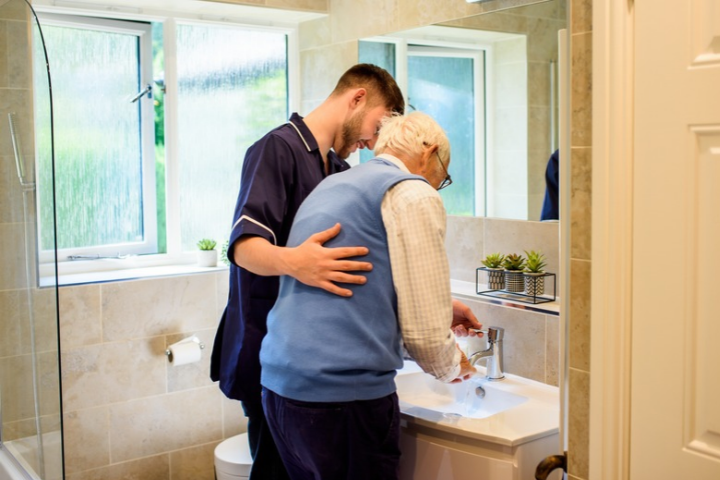
Palliative care is an essential part of health and social care. It is focused on supporting individuals living with a life-limiting or progressive illness, helping them remain as comfortable, dignified, and independent as possible.
As a Registered Nurse and Registered Manager delivering palliative home care in Croydon & Sutton, I have seen how timely, thoughtful support transforms the experience of individuals and their families. My nursing career has included supporting people with complex health conditions, managing fluctuating symptoms, and coordinating care for individuals reaching the final stages of life.
If you’re wondering what to expect from palliative care at home can feel uncertain, particularly when navigating emotional distress and complex clinical information. For most people, remaining in their own property is what matters most. Home is familiar: it holds decades of memories, personal possessions, and the people and pets they love. Exploring the benefits of palliative care at home shows that staying in familiar surroundings provides an emotional anchor that clinical facilities cannot replicate.
At Radfield Home Care Croydon & Sutton, we understand that care is about far more than completing clinical tasks. It is about building trusting relationships, providing reassurance, and ensuring people feel heard, valued, and respected throughout their journey.
A common question families ask when facing a serious diagnosis is what is the difference between palliative and end of life care? While closely related, the two terms describe different stages of support:
According to research from Marie Curie, around 90% of people who die in the UK have palliative care needs, yet nearly one in four miss out on the support they require. Clarifying the difference between palliative and end of life care helps families seek assistance early rather than waiting for an acute crisis. While the difference between palliative and end of life care depends on prognosis and timing, both share the fundamental purpose of preserving comfort, dignity, and personal choice.

Palliative care is never solely about managing clinical symptoms; it is about understanding the person behind the diagnosis. Every individual has distinct priorities. Some wish to maintain their physical independence for as long as possible, while others require increasing help with washing, dressing, mobility, and nutritional comfort.
My nursing experience has taught me the importance of looking beyond immediate tasks. An individual’s appetite may decrease, energy levels can shift, mobility may lessen, and subtle changes in breathing or skin integrity may develop.
When considering how to support someone receiving palliative care, recognising these nuances is essential. These observations must be documented clearly and communicated promptly with community health teams. Just as importantly, we must preserve what makes each person unique. Their life history, relationships, sense of humour, and daily rituals all matter. Listening carefully allows us to provide care that is tailored to their identity.

Delivering high-quality palliative home care in Croydon and Sutton requires a balance between compassionate daily care and professional clinical boundaries.
Good care staff learn to notice small, early changes: a slight shift in mobility, reduced food intake, or subtle restlessness. As a Registered Manager and nurse, I ensure our care teams receive the training and guidance needed to identify these signs, document concerns accurately, and escalate them promptly.
Our clinical background allows us to lead our service with confidence while respecting the defined roles of social care providers and NHS specialists. Effective communication with local GPs, district nurses, community palliative teams, and hospices across South London is central to our work. Working in close partnership ensures that changing needs are met smoothly, whether arranging pressure-relieving equipment or adjusting medication routines.

When a loved one is diagnosed with a life-limiting condition, family members often feel overwhelmed. You might wonder how to support someone receiving palliative care when communication becomes harder or physical energy wanes.
Practical ways to offer comfort include:
Knowing how to support someone receiving palliative care means understanding that small acts of kindness often make the deepest difference.
Palliative care is not static. A person’s condition can change gradually or rapidly, which means care plans and risk assessments must be reviewed and adapted continuously.
For relatives researching palliative care at home what to expect, it is helpful to know that support begins with an unhurried assessment. Initial visits might focus on light housekeeping, preparing nourishing meals, and companion visits. As health needs change, support can seamlessly expand to include personal hygiene, medication prompts, overnight care, or full-time live-in support.
Knowing what to expect from palliative care at home also means having clear communication channels. Regular reviews between the client, their family, our care team, and community healthcare professionals ensure that support continues to reflect personal wishes at every stage.
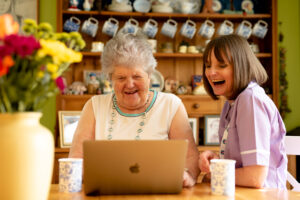
For me, palliative care is about bringing together clinical understanding and human empathy. My nursing career has given me extensive experience in caring for individuals with complex conditions, while my role at Radfield Home Care allows me to mentor a team that treats every individual with dignity and kindness.
Our guiding values: being proud to care, being a family, and being on your side, shape everything we do:
For families across Croydon, Sutton, and neighbouring areas, our approach to care is rooted in trust. We recognize that inviting carers into your home is a significant decision. We honour that trust by providing familiar faces, open communication, and unhurried care.
If you are exploring your options or want to discuss palliative care at home what to expect, our clinical leadership team is here to guide you with honest, supportive advice.
Whether you are exploring care options for a loved one, have questions about managing a changing condition, or wish to discuss palliative home care in Croydon and Sutton, our team is here for an unhurried, confidential chat.

Trecia brings a unique and powerful blend of clinical expertise and high-level leadership experience
Read moreGet in touch with your local Radfield Home Care office today and find out more about the support we offer and the difference we can make.