
National Office
Please enter the office location/term above to receive results for your closest office as well as information matches
National Office
Please enter the office location/term above to receive results for your closest office as well as information matches
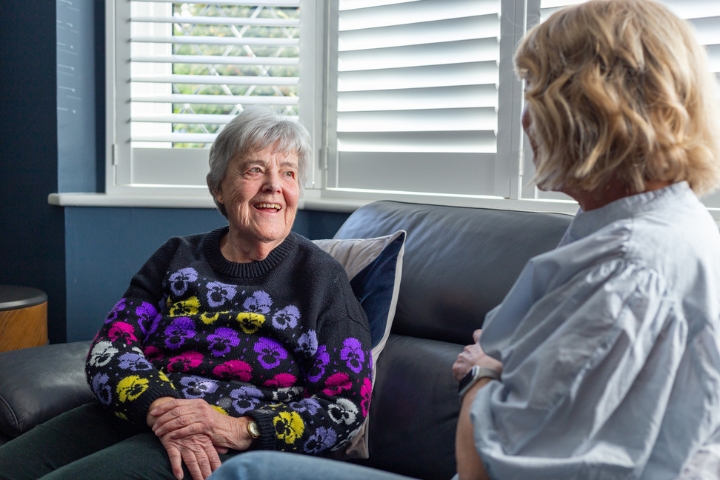
It can be incredibly hard to watch someone you love struggle but refuse the help that could make life easier. Whether it’s a parent, partner, or close friend, many families find themselves facing this situation. You might see that your loved one needs support at home, but every time the topic of care comes up, it’s met with resistance, frustration, or silence.
At Radfield Home Care Watford & Borehamwood, we often meet families going through this same challenge. It’s not easy, and it’s important to remember that resistance doesn’t come from stubbornness. More often, it’s about fear, pride, confusion, or a deep wish to hold on to independence. Sometimes, especially when conditions like dementia are involved, it can also come from not recognising that support is even needed.
The good news is that with patience, empathy, and the right approach, it’s possible to make these conversations calmer, more respectful, and more productive.
Before you talk about care options in Watford & Borehamwood, take some time to listen. A quiet, open chat can help your loved one feel respected and heard. Instead of trying to convince them, simply ask questions and focus on how they’re feeling.
You might say:
“Can you tell me what worries you about having help?”
“What would make you feel more comfortable?”
If they express frustration, acknowledge it gently:
“I can understand that it feels strange to have someone helping with things you’ve always managed on your own.”
When people feel that their emotions are understood, they’re far more likely to let their guard down and consider home care in Watford & Borehamwood in the future.
If your loved one is unsure, try easing into care gradually. For example, you could start with short visits or practical help like cleaning, cooking, or shopping. Over time, this allows them to get used to having someone around without feeling overwhelmed.
Sometimes, the language we use makes a difference too. Instead of calling someone a “carer,” you might say “helper” or “personal assistant.” It can make the idea of support feel more friendly and less clinical.
You could also reassure them by focusing on independence:
“Having someone to help with the chores means you’ll have more energy for the things you enjoy.”
Small steps can build trust, helping care become a normal and welcome part of daily life.
Everyone has their own reasons for saying no to care. For some, it’s about privacy or pride. For others, it’s fear of losing control. Health issues like depression, anxiety, or dementia can also make accepting help more difficult.
Take some time to explore what’s really worrying your loved one. Once you understand the reason behind their hesitation, you can address it with more compassion and reassurance. Families exploring care options in Watford & Borehamwood often find that taking this time helps their loved one feel more in control and comfortable with the idea of receiving care.
One of the most effective ways to reduce resistance is to make sure your loved one feels in control. Involve them in every step, from choosing the type of support to deciding who visits and when.
Try framing things as choices rather than decisions already made:
“Would you prefer your Care Professional to come in the morning or afternoon?”
“Which person did you feel most comfortable with?”
This approach shows respect and helps them feel that their opinions matter, turning care into a shared decision rather than something being done to them.
Sometimes, it helps to hear about care from someone outside the family. Advice from a GP, nurse, or professional care provider in Watford or Borehamwood can help your loved one see care as a positive step rather than a loss of independence.
Hearing about the benefits of home care from a trusted professional can also help ease tension between family members.
It adds reassurance that care isn’t a punishment or a sign of weakness – it’s simply another form of support.
Many people fear that home care means giving something up, but it’s actually the opposite. The right support can make life safer, more enjoyable, and more connected.
Home care can provide:
When the focus is on what care gives rather than what it takes away, your loved one may begin to see it as an opportunity to stay independent, not lose it.
Change rarely happens overnight. Accepting help is a big step for anyone, especially for people who have always valued their independence. Small, gentle steps, like introducing a Care Professional for one or two tasks a week can make the transition much easier.
Patience, reassurance, and understanding go a long way. Over time, these small moments of trust can grow into genuine comfort and appreciation for the support being offered.
At Radfield Home Care Watford & Borehamwood, we’ve supported many families who have faced this very challenge. Our Care Professionals are trained to provide care that’s not only practical but also compassionate, respectful, and tailored to each person’s needs.
If your loved one is hesitant about receiving help, we can guide you through the process and introduce support in a way that feels right for them.
Get in touch with Radfield Home Care to learn more about our home care services in Watford & Borehamwood, and how our friendly, local team can make life at home easier and more enjoyable for your family.

Lavanya leads the Radfield Home Care Watford & Borehamwood office and is driven by a passion for assisting others with empathy and compassion.
Read moreGet in touch with your local Radfield Home Care office today and find out more about the support we offer and the difference we can make.