
National Office
Please enter the office location/term above to receive results for your closest office as well as information matches
National Office
Please enter the office location/term above to receive results for your closest office as well as information matches
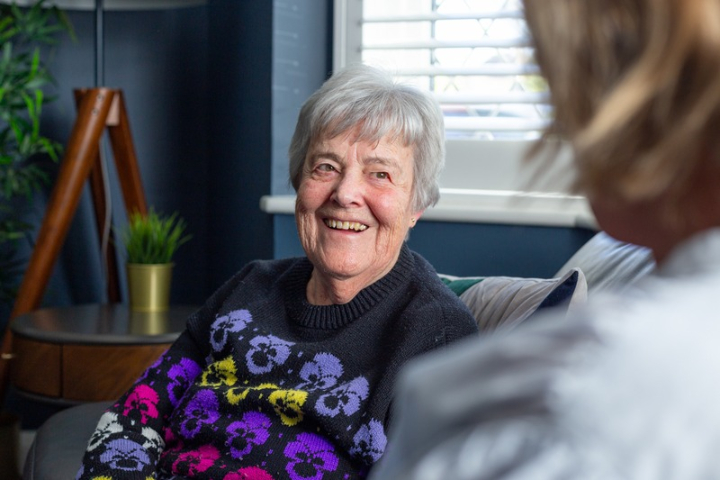
Later life looks different across Shropshire these days – and so do the conversations families are having about it.
Ask someone in their sixties or seventies what “old age” looks like, you’ll often get a description that no longer matches the image many of us still carry. Retirement isn’t a sudden full stop, or slowing down – that idea belongs to an earlier generation. Today’s later life often looks like something else entirely: second careers, new hobbies, travel across the world to visit grandchildren, or gardens being redesigned for the next twenty years of enjoyment.
People are living longer and more active, connected lives. Families are talking more openly about what the future might hold, rather than treating it as a subject to be avoided. That shift changes the question families are asking each other. It’s no longer “what happens when things go wrong?” It’s “what does the life I want to keep living actually look like – and how do we protect it?” That’s a subtly different conversation, and it’s one a growing number of Shropshire families are choosing to start early, rather than waiting for a crisis to force the issue.
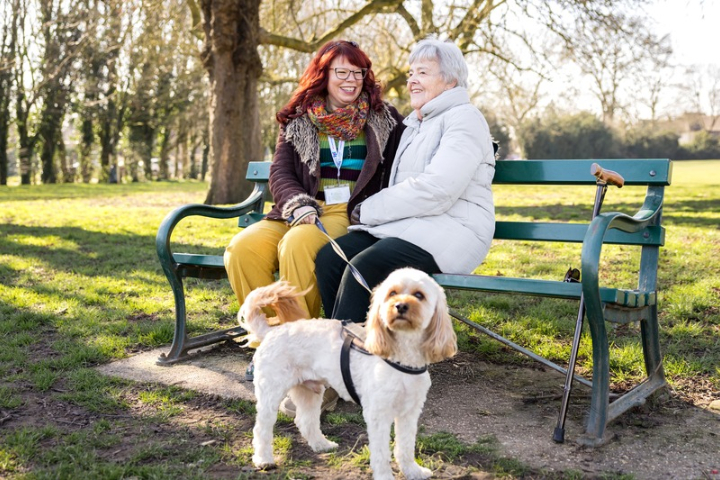
However, at the centre of all this is something bigger than bricks and mortar. Home, for most people, isn’t really about the building – it’s about everything the building holds. The routines that structure a day. The kitchen table that has seen drama, love, laughter and tears. The neighbours who’ve become friends over decades. The short walk to a familiar shop or church or pub. Home represents identity, not just a geographical location.
That’s why so many later-life conversations, under the surface, are really conversations about continuity – about how to hold on to the parts of a life that matter most, even as circumstances change. Not bracing for loss, but protecting what’s already been built.
Framed that way, planning for the future stops being an administrative task and becomes something closer to a shared family project. As Hollie Bradbury, Head of Live-in Care at Shrewsbury-based Radfield Home Care, says:
“There’s a huge emotional benefit to having these conversations early. It removes anxiety and guesswork, and reframes a traditionally awkward topic into something the whole family can shape together.”
The families having the most success with this tend not to sit everyone down for one big, weighty meeting. Instead, they let the subject arise naturally so it never feels like a crisis-driven ambush. They focus on values and preferences rather than diagnoses: what do you want your day-to-day life to look like in ten years? What matters most to you? What does home really mean to you?
Inevitably, practical questions about care do surface – they’re what naturally follows once a family has actually talked about what they want the future to feel like and what “home” actually means to them. Whether the family home still suits everyone’s needs, whether adapting it makes more sense than moving somewhere smaller, or whether there’s a need for everyday life to have a little more support, are important to include in these discussions.
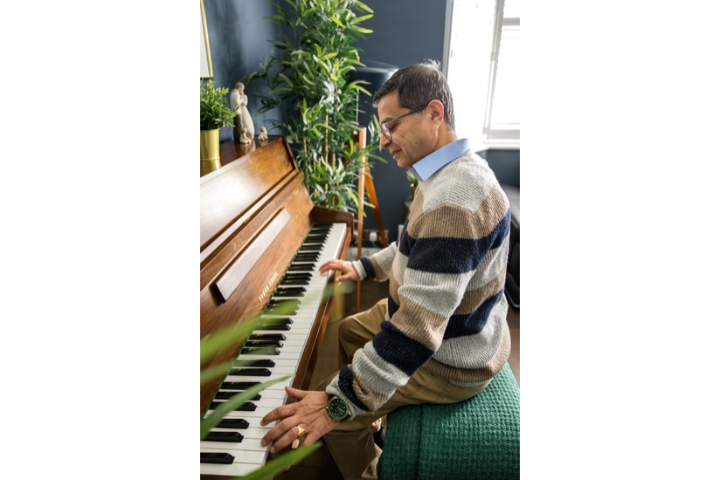
One of the most common discoveries families make during these conversations is simply that there are more ways to stay living the life they want – many of which didn’t exist, or weren’t considered, by previous generations. Moving into residential care is far from the only route. Live-in care – where a trained care professional lives alongside a family member, supporting them in their own home – is increasingly part of that conversation, precisely because it protects everything “home” represents.
And that’s really the point. Families aren’t planning for decline. They’re planning for continuity – for the version of later life so many people in Shropshire are already living: active, connected, and firmly on their own terms.
Whether you’re exploring live-in care for a loved one or simply want to understand the options available for later life, the Radfield Home Care team is here to help.
A friendly, no-obligation conversation can help you understand how the right support could make it possible to continue enjoying the comfort, familiarity and independence of home.
Get in touch with Radfield Home Care Shrewsbury & Oswestry to find out more.

Richard combines senior leadership experience with hands-on care expertise to ensure our clients and their families feel valued and connected to their local community.
Read moreGet in touch with your local Radfield Home Care office today and find out more about the support we offer and the difference we can make.