
National Office
Please enter the office location/term above to receive results for your closest office as well as information matches
National Office
Please enter the office location/term above to receive results for your closest office as well as information matches
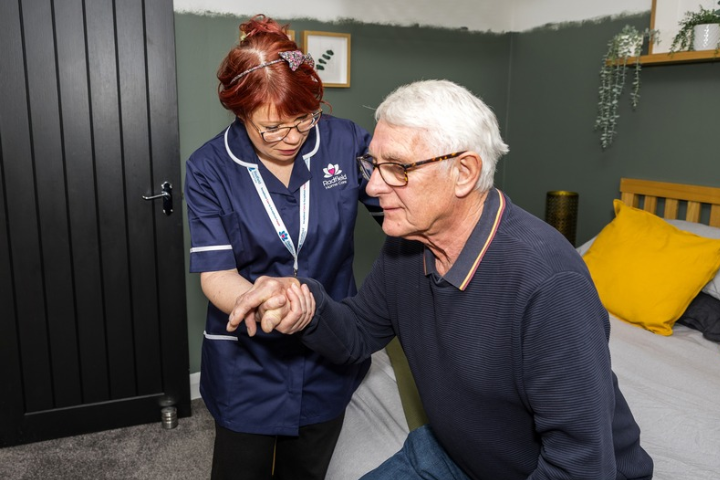
For most older people, staying at home means holding onto familiar surroundings, treasured memories, and control over their daily routine. The thought of accepting help from outside the family can feel unsettling. At the same time, adult children often reach a point where quiet worries about a parent’s safety, nutrition, or isolation become hard to ignore.
Perhaps you’ve noticed that your mother is finding it harder to manage the house. Maybe your father has become less confident going out, or you’re worried about whether they are eating properly or remembering to take their medication. These changes don’t necessarily mean someone needs to leave their home or move into residential care. Often, a little additional support can make an enormous difference.
At Radfield Home Care Bexley, Dartford & Sidcup, we believe that recognising when someone needs help is not about taking away their independence. It’s about helping them maintain it.

There isn’t one definitive sign that someone needs care. Often, it’s a gradual combination of changes that suggests additional support could be beneficial.
Activities that once took half an hour can become increasingly difficult with age as energy levels dip or joints stiffen. You might notice unopened post piling up on the hallway table, laundry overflowing in the basket, or your loved one is struggling with shopping, preparing meals or keeping on top of household chores.
Visiting home care can provide practical assistance with everyday tasks such as shopping, laundry, changing bed linen, and light housework, keeping the home safe and comfortable without taking over.
Personal hygiene and grooming often become harder when balance, flexibility, or confidence in the bathroom starts to decline. You may notice that your parent is wearing the same clothes several days in a row, avoiding showers out of fear of slipping, or struggling with buttons and footwear.
A trained Care Professional can provide discreet, respectful assistance with washing, dressing and personal care, always taking account of individual preferences and dignity.
Are they regularly skipping meals? Is there less food in the fridge? Have you noticed unexplained weight changes? Preparing fresh, nutritious meals can become difficult for someone who struggles with mobility, fatigue or dexterity.
Regular care visits can include grocery shopping, preparing hot meals, and encouraging steady fluid intake throughout the day. If you notice unexplained weight loss or a persistent drop in appetite, it is also worth booking a check-up with their GP.
Occasionally misplacing glasses or forgetting an appointment can happen at any age, yet noticeable shifts in memory, judgement, or familiar routines deserve closer attention. You might see duplicate tins building up in the kitchen cupboards, missed medication doses in a weekly blister pack, or confusion about the time of day.
While a Care Professional provides calm structure and medication prompts, new memory lapses should always be assessed by a GP rather than assumed to be a normal part of ageing. Sudden confusion or disorientation requires prompt medical attention.
Perhaps your parent has started holding onto furniture as they walk through the lounge, avoiding the stairs, or making excuses not to walk to local shops. Even a minor trip or a near miss can dent someone’s confidence, leading them to stay indoors and lose muscle strength.
Depending on their assessed needs, home care can help with mobility, transfers and everyday activities. An occupational therapist or other appropriate healthcare professional may also recommend equipment or adaptations.
One of the less obvious signs an older parent needs home care is a gradual shrinking of their social world. According to Age UK, around 940,000 people aged 65 and over in the UK (1 in 14) often feel lonely, while 270,000 in England go an entire week without speaking to a friend or family member, leaving them nearly three times more likely to experience chronic loneliness.
An older parent may appear to be coping physically while spending days without a face-to-face conversation, particularly if relatives balance busy careers or live outside Kent and South East London.
Scheduled companionship visits offer genuine conversation, shared hobbies, and accompanied outings to local cafés, parks, or community groups, giving your parent something positive to look forward to each week. Social interaction is an important part of overall wellbeing and should not be overlooked when considering someone’s care needs.
Sometimes the biggest indication is the feeling that something isn’t quite right.
You might find yourself constantly worrying about whether your parent is safe, checking in several times a day or rearranging your own life to make sure everything is being managed. If family members are becoming overwhelmed trying to provide all the necessary support, it may be time to explore professional care.

Absolutely not. One of the biggest misconceptions about home care is that accepting support means giving up independence. In reality, the right support can help someone continue doing the things they enjoy, remain in familiar surroundings and maintain greater control over their daily routine.
For example, someone might only need help with getting washed and dressed in the morning, preparing meals or attending appointments. Another person may benefit from several visits throughout the day.
There is no single approach that suits everyone. Good home care should be built around the individual, their circumstances and what matters most to them.
Good care adapts around your parent’s existing lifestyle rather than forcing them into a rigid schedule. Depending on individual circumstances, there are several ways professional home care can help:

Understanding practical next steps makes planning far less daunting. Whether you intend to fund care privately or explore local authority support, two simple steps help clarify your options early:
Request a free care needs assessment: Under the Care Act 2014, every adult is entitled to a free care needs assessment from their local council regardless of their income or savings. Families in Bexley, Sidcup, and Welling can contact London Borough of Bexley Adult Social Care, while families in Dartford, Swanscombe, and Stone can apply through Kent County Council Adult Social Care. If your parent’s savings are below £23,250 in England (with the value of their home excluded while they live in it), the council may contribute toward the cost of their care plan.
Check Attendance Allowance eligibility: If your parent is over State Pension age and needs regular help or supervision due to a physical or mental health condition, they may qualify for Attendance Allowance. For 2026/27, this non-means-tested, tax-free benefit pays £76.70 per week (lower rate) or £114.60 per week (higher rate), which can directly offset several hours of weekly visiting care at home in Bexley.
Bringing up the subject of care often feels like the hardest hurdle, particularly if your parent worries that accepting help means losing control of their routine.
Try raising the topic during a calm, unhurried moment rather than right after a stressful incident. Frame support around making everyday life easier rather than pointing out what they struggle with:
Keeping your parent at the centre of every choice ensures they feel respected and in control from day one.

When comparing providers for home care in Bexley, Dartford and Sidcup, look for clear indicators of quality and accountability:
At Radfield Home Care Bexley, Dartford & Sidcup, we know that inviting a Care Professional into your parent’s home is a major decision. Our approach is centred on helping older people live well, stay connected to their local community, and remain comfortable in familiar surroundings.
Whether your parent would benefit from a couple of hours of visiting care at home each week or more regular daily support, our local team takes time to listen first and build a care plan around what matters most to your family. Working out when is it time for home care does not mean waiting for an emergency before exploring what support is available.

If you have noticed any of these signs that an older parent may need home care and would like no-obligation advice, our friendly local team is always happy to chat:
Get in touch with your local Radfield Home Care office today and find out more about the support we offer and the difference we can make.
