
National Office
Please enter the office location/term above to receive results for your closest office as well as information matches
National Office
Please enter the office location/term above to receive results for your closest office as well as information matches
When an older relative starts finding everyday tasks a bit trickier, the first big question most families face is: “What type of care do they actually need?”
The truth is, there’s no single, off-the-shelf answer. Some people just want a friendly face to pop in twice a week for a chat and help with the heavy shopping. Others need regular help getting washed and dressed, or continuous support after a hospital stay.
If you are currently exploring home care options in Harrogate, Wetherby, or across the wider North Yorkshire area, getting to grips with the different types of support available makes the whole journey much less daunting.
So, we wrote a guide on how modern home care works and how to choose the right fit for your family!
Unlike moving into a residential care home, receiving care at home means your loved one stays right where they feel most comfortable, surrounded by their own belongings, local neighbours, and familiar daily routines.
Care isn’t just about ticking off practical chores; it’s about preserving dignity, independence, and happiness. A Care Professional might pop by to help with breakfast, manage medication, take someone to a doctor’s appointment, or simply sit down for a brew and a proper catch-up.
Depending on how much support is needed, home care generally falls into five main categories:
Visiting care is one of the most popular options for families across our region. A trained Care Professional visits the home at agreed times of the day, ranging from a short morning visit to several calls throughout the day.
It covers practical tasks like:
Whether you need daily assistance or ongoing care at home in or around the Harrogate area, visits fit around your relative’s existing routine rather than forcing them to change it.
Care isn’t always about physical health. Loneliness can take a massive toll on an older person’s wellbeing, even if they are physically managing fine on their own.
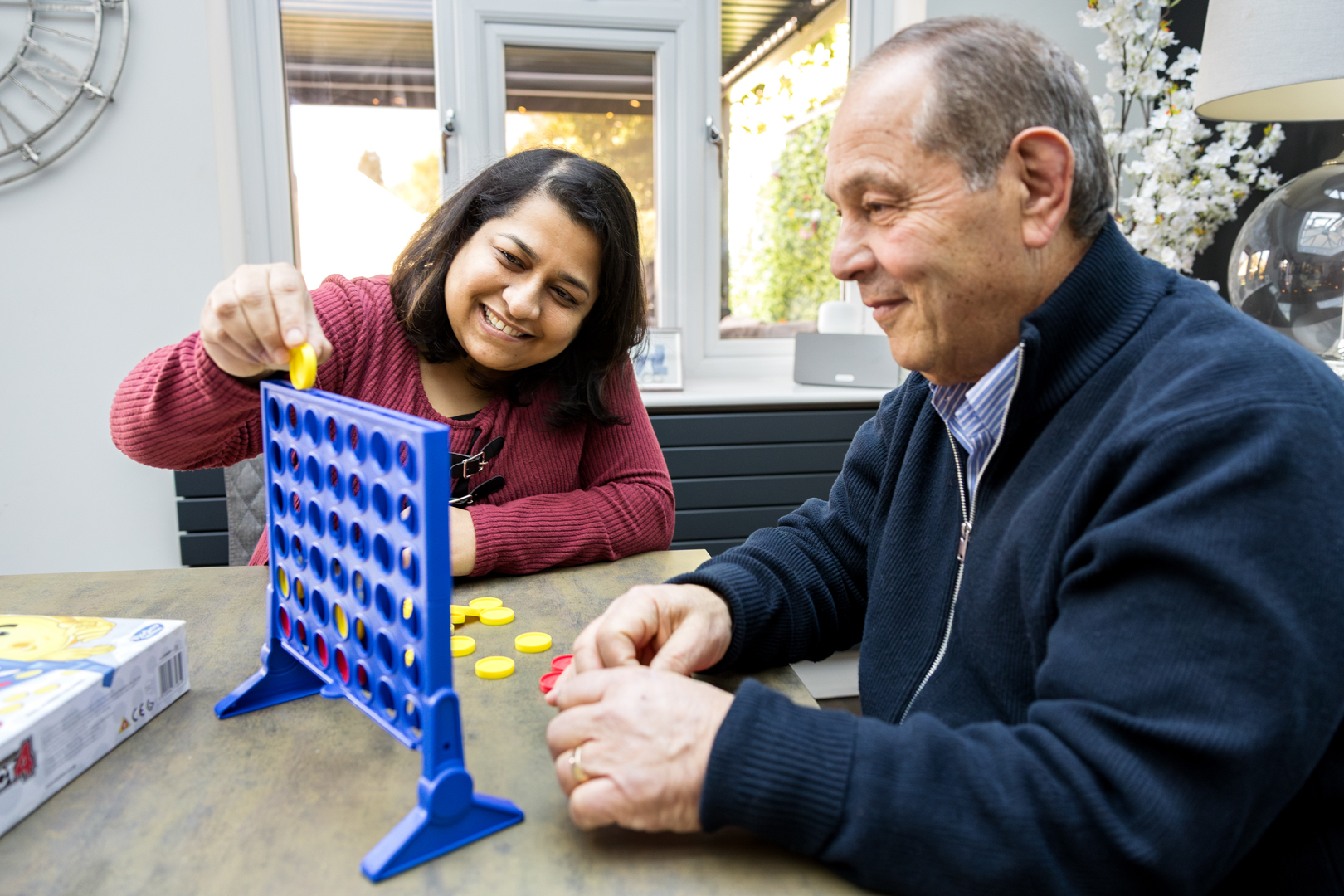
Arranging companionship care provides regular, meaningful social contact. A Care Professional might pop in to share a cup of tea, talk through the morning paper, help with gardening, or accompany your loved one on a local outing. Having a warm, familiar face to look forward to seeing every week can completely transform someone’s outlook.
For those who require a higher level of continuous support, live-in care in North Yorkshire offers an ideal alternative to moving into a care home.
A carefully matched Care Professional lives in your relative’s home, offering round-the-clock assistance, reassurance, and companionship.
Choosing live in care in North Yorkshire means your loved one stays in the home they cherish, surrounded by local memories, while receiving steady, 1-to-1 care from someone they know and trust.
Not all care has to be permanent. If you only need temporary assistance, perhaps to help someone get back on their feet after surgery, a fall, or a hospital stay, short-term home care services provide a brilliant safety net.
It is also widely used for respite, giving family carers a well-deserved break knowing their relative is in safe, professional hands.
Modern home care often incorporates helpful, non-intrusive technology to supplement human visits. Simple discreet devices, like personal emergency alarms or subtle wellbeing monitors, give families extra peace of mind between care visits without compromising your relative’s privacy.
When comparing home care options in Harrogate and the surrounding areas, try not to feel pressured into making one permanent decision straight away. Care needs naturally shift over time.
Someone recovering from an illness might start with several daily visits and gradually reduce them as their strength returns. Conversely, someone with a progressive condition may start with a little weekly companionship and slowly add extra support as needed.
A great care plan should always be:
Bringing up the topic of care can feel delicate. Older relatives sometimes worry that accepting help means losing their independence or admitting defeat.
When starting the conversation, focus on how support can actually protect their independence. Frame it around easing daily pressures, like having someone else tackle the heavy vacuuming, help with cooking, or make morning routines less exhausting, so they have more energy for the things they actually enjoy.
Deciding what type of care is best doesn’t have to be confusing. At Radfield Home Care Harrogate, Wetherby & North Yorkshire, we offer free, informal consultations to help you talk through options without any pressure or sales pitch.
Whether you need a little companionship care in North Yorkshire, temporary respite, or dedicated care at home, we’re here to help your loved one live life to the full in the home they love.
Get in touch with our friendly local team today to start a conversation.

Caitlyn shares the stories of Radfield Home Care Harrogate, Wetherby & North Yorkshire through social media, helping clients and families feel connected to the team’s compassionate care.
Read moreGet in touch with your local Radfield Home Care office today and find out more about the support we offer and the difference we can make.