
National Office
Please enter the office location/term above to receive results for your closest office as well as information matches
National Office
Please enter the office location/term above to receive results for your closest office as well as information matches
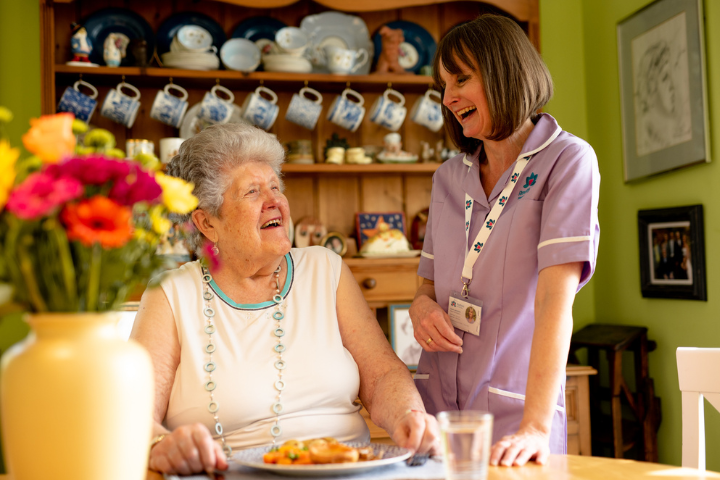
The kitchen is often the emotional heart of a home. Cooking a favourite Sunday roast or making a quick cup of tea represents self-reliance, routine, and a lifetime of caring for others. When age-related memory shifts or physical frailty start to make cooking hazardous, accepting help in the kitchen can feel like losing a vital piece of identity.
For adult children discovering scorched pan bottoms, unread food expiration dates, or a gas hob left clicking quietly creates intense anxiety. Knowing what to do when an ageing parent can’t cook safely anymore means finding a gentle middle ground: making the kitchen secure without stripping away your parent’s pride as the household cook.

Instead of taking over the kitchen entirely, reframe the situation around shared effort. The goal is not to ban your parent from their own kitchen, but to remove high-risk tasks like lifting heavy cast-iron pots, boiling large pans of water, or working near open gas flames.
An older adult can remain the “head chef” even if they no longer handle the dangerous prep work. Choosing recipes, tasting sauces, seasoning soups, and setting the table allow them to retain full ownership of their meals while someone else manages the heat and sharp knives.
Understanding what to do when an ageing parent can’t cook safely is ultimately about preserving dignity while quietly eliminating fire and injury risks.

Before a serious fire or food poisoning incident occurs, subtle warning signs usually begin to appear around the kitchen:
Monitoring these signs early allows families to address kitchen safety for older parents before a minor lapse turns into a household emergency.

Practical, low-profile safety modifications can dramatically reduce risk without altering the familiar layout of the home:
When adapting a kitchen for older relatives, these small adjustments improve overall kitchen safety for older parents without making the room feel clinical or restrictive.

Food and kitchen independence are closely linked to personal pride. Pushing for sudden changes can easily trigger defensive reactions or outright refusal.
When talking to parents about kitchen safety, frame the conversation around your own peace of mind rather than their declining abilities. Using “I” statements, such as “I worry about you lifting heavy hot water,” is far more effective than telling them what they can no longer do.
“Frame kitchen changes as upgrades that make daily life easier, rather than safety rules imposed because of age.”
Blaming tricky modern packaging, heavy pan design, or confusing appliance buttons helps preserve your parent’s self-esteem. You can also suggest trying new kitchen routines or extra help on a temporary basis. Approaching talking to parents about kitchen safety as a shared trial makes adapting a kitchen for older family members feel like a supportive decision rather than an argument.

Bringing in professional help does not mean your parent has to sit on the sidelines while a stranger takes over their home.
With tailored home care meal preparation support, a visiting carer acts as a dedicated kitchen assistant:
Arranging home care meal preparation support offers a practical solution when talking to parents about kitchen safety. Knowing what to do when an ageing parent can no longer cook safely gives your family complete confidence that your parent is eating well, staying safe, and enjoying their home.

If you are worried about your parent’s kitchen safety or want to explore how visiting care can help with meal preparation while preserving their independence, Radfield Home Care is here to help. Our Care Professionals offer flexible visiting support tailored to your family’s routine.
Contact your local Radfield Home Care office today to book a free, friendly care consultation.

Hollie has a vast array of skills she has developed throughout her career from working in varying roles and fields, which she uses to greatly benefit the Radfield team.
Read moreGet in touch with your local Radfield Home Care office today and find out more about the support we offer and the difference we can make.