
National Office
Please enter the office location/term above to receive results for your closest office as well as information matches
National Office
Please enter the office location/term above to receive results for your closest office as well as information matches
As part of Radfield Home Care Worcester, Droitwich and Malvern, I was proud to attend an important local event on International Men’s Day, Wednesday 19th of November, at The Hive Library in Worcester. Delivered by the University of Worcester in collaboration with First Steps ED, “Men, Muscle and Mental Health” explored a topic that is often overlooked but increasingly relevant to men of all ages, including those in later life.
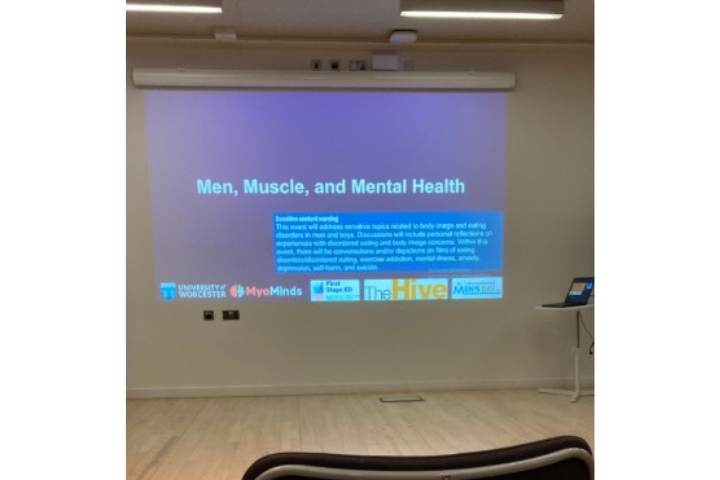
The evening opened with an introduction to the research being led by the University of Worcester, followed by a short film titled Chasing Adonis. The film captured how society’s expectations around the ideal muscular body can influence men’s behaviours, sometimes encouraging unhealthy routines.
It highlighted that body image pressures, often associated with younger men, can affect a much wider age range. The film also drew attention to a growing concern: an increase in anabolic steroid use and its long-term physical and psychological effects.
University researchers shared a striking statistic during the talk. Research shows a 70% rise in hospital admissions for eating disorders in men over the past decade. While national discussions often focus on women and young people, these figures demonstrate that men, including those in later life, can be significantly affected. First Steps ED shared that they support individuals with eating disorders well into their sixties and beyond.
A key theme of the evening was the Adonis Complex, also known as muscle dysmorphia. This condition can lead men to feel their bodies are never muscular or good enough. Speakers explained how this can be linked to excessive exercise, disordered eating, and the misuse of supplements or steroids.
The University of Worcester highlighted an ongoing challenge. Older men remain under-represented in research into body image, exercise patterns, and disordered eating. Early findings suggest:
• Many ageing men shift from appearance-based goals to functionality, although body image concerns can still influence confidence and wellbeing.
• Men who strongly identify with traditional masculine ideals such as strength, independence, and invulnerability may experience poorer self-rated health and greater psychological distress as physical ability changes naturally.
• Exercise continues to support mental health for older adults, though compulsive patterns may sometimes be linked to health worries or fears about ageing.
• Disordered eating in older men can feel normal or simply part of healthy living, which may make early identification more difficult for families and carers.
The University also announced new research into ageing, exercise, and wellbeing, which is a positive step toward understanding how to better support older adults who may be quietly struggling.
For Radfield Home Care Worcester, Droitwich and Malvern, these insights are highly relevant. Many older men experience emotional shifts as their bodies change. Reduced strength, slower recovery, long-term health conditions, and changes in identity after retirement or bereavement can all affect day-to-day wellbeing. When these changes combine with societal expectations that men should be strong or self-sufficient, the impact on mental health can be significant.
The event highlighted that:
• Body image worries can continue into later life even if they are not openly spoken about.
• Disordered eating or exercise obsession in older men may be misunderstood as healthy discipline.
• Changes in mobility, independence, or physical capability can affect confidence and wellbeing.
• Social isolation can increase worries about health, appearance, and identity.
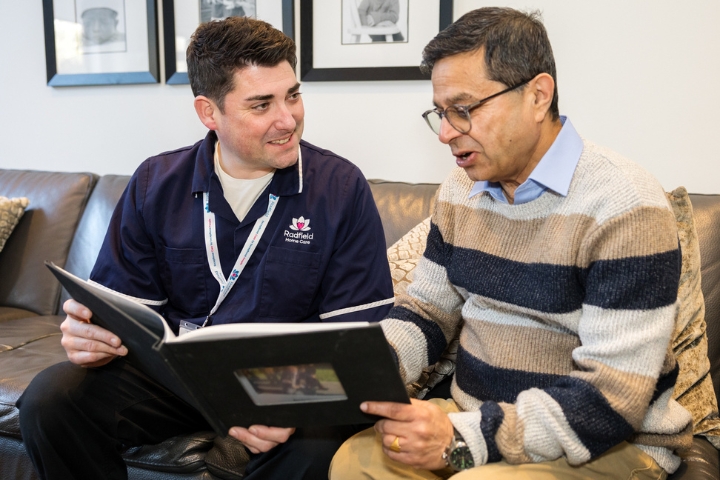
For people receiving home care in Worcester, Droitwich or Malvern, understanding these issues helps us provide support that addresses both emotional and practical needs.
At Radfield Home Care, we believe in seeing the whole person. Their history, identity, relationships, and emotional wellbeing all matter. Attending events like this helps deepen understanding and strengthens our commitment to helping men in later life feel supported, valued, and connected.
Our Care Professionals are trained to:
• Encourage healthy and balanced physical activity that promotes independence.
• Notice early signs of low mood, anxiety, or distress related to body image.
• Hold meaningful conversations about wellbeing and changes that come with ageing.
• Support social interaction, community involvement, and emotional connection.
International Men’s Day is a reminder that men’s mental health deserves attention at every age. We will continue to champion conversations like these across our local communities in Worcester, Droitwich, and Malvern, helping everyone feel understood and supported.
If you are looking for compassionate and personalised home care in Worcester, Droitwich, or Malvern, our friendly team is here to help. Contact Radfield Home Care today to find out how we can support you or a loved one.

Community Engagement Officer dedicated to building strong local connections and promoting compassionate, person-centred home care with Radfield.
Read moreGet in touch with your local Radfield Home Care office today and find out more about the support we offer and the difference we can make.