
National Office
Please enter the office location/term above to receive results for your closest office as well as information matches
National Office
Please enter the office location/term above to receive results for your closest office as well as information matches
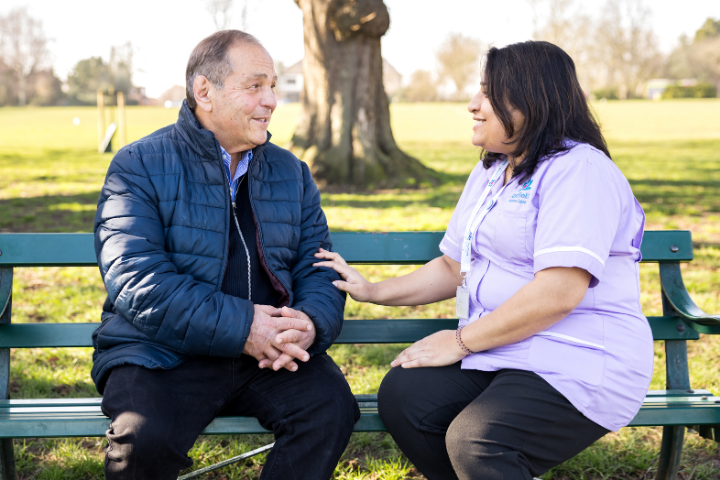
Independence is one of the most important parts of life. It is the ability to make your own decisions. It means maintaining your routines while staying connected to the people you care about.
That is why conversations about support can sometimes feel difficult. Many people worry that accepting help means they will struggle with maintaining independence at home. They fear that support will take away control or alter familiar routines; it can feel like a sign that they can no longer manage on their own.
But independence and support are not opposites. In fact, for many families, the right support can help protect independence for older people for longer. Rather than taking over, good support makes it easier to continue doing the things that matter most.
Most of us are comfortable helping other people. We support neighbours and family members without giving it a second thought. Yet many people find it much harder to accept support than they do to offer it.
Many older individuals have spent decades caring for others and managing households. Asking for support can feel unfamiliar, and sometimes uncomfortable. There can also be concerns about becoming a burden or losing control over everyday life. These feelings are completely understandable. However, accepting support is not a sign of weakness. It is simply recognising that life changes over time and that sometimes a little extra help can make everyday life easier, safer, and more enjoyable.
When people think about maintaining independence at home, they often focus on practical activities such as cooking or shopping. While these things certainly play an important role, independence is about much more than managing a list of tasks. Most of us already rely on tools and services in ways that help us live the lives we want.
We wear glasses to help us see. We use satellite navigation to help us find our way. We ask family and friends for advice when we need it. None of these things make us less independent. They simply help us continue doing what matters to us.
The same principle can apply as we get older. For many people, independence is having the freedom to make choices about their own life. It is deciding how to spend the day, maintaining routines, and staying connected to loved ones. It is also about feeling confident in those decisions.
That is why independence looks different for everyone. For one person, it may be remaining active within their local community. For another, it may be hosting family gatherings or keeping up with a cherished daily routine. When we think about independence in this way, it becomes clear that it is not simply about what someone can do for themselves. It is about continuing to live life in a way that feels meaningful and fulfilling.
Independence does not usually disappear overnight. More often, it changes gradually as circumstances evolve. Health conditions, reduced mobility, bereavement, or the natural process of ageing can all influence how someone experiences everyday life.
Sometimes, it is not the practical tasks themselves that become challenging. Instead, it may be the confidence to continue doing them. A person may stop attending a social group because travelling feels more difficult than it once did. Someone else may begin turning down invitations because they worry about getting tired or feeling unsteady.
Over time, these small changes can have a significant impact on wellbeing and overall confidence. Recognising these changes is not about focusing on limitations. It is about understanding how circumstances may be evolving and considering what support could help someone continue living the life they want.
Confidence plays a significant role in maintaining independence. Many people find that when they feel confident, they are more likely to stay active, social, and engaged with the world around them. Equally, when confidence is affected, it can become easier to withdraw from activities and daily routines that were once enjoyed.
Connection is important too. Relationships with family and local communities can have a considerable impact on wellbeing. Meaningful conversations and shared experiences often contribute to a sense of purpose and belonging. This is one reason why support is not always about practical assistance. Sometimes, the greatest value comes from helping someone maintain confidence and stay connected to others. Because independence for older people isn’t simply about doing things alone. It is about having the confidence and support to continue living life in a way that feels meaningful.
No two people experience independence in exactly the same way. For one person, it may be the freedom to spend time in the garden. For another, it may be continuing to attend a favourite club, maintaining a role within the family, or staying connected to friends and neighbours. That is why the best support starts with understanding the individual. Rather than focusing solely on tasks, good support focuses on what matters to the person receiving it; their routines, preferences, goals, and the things that bring meaning to everyday life.
When support is built around the individual, it becomes easier to maintain the lifestyle and daily activities that contribute to overall wellbeing. At its best, support should feel like a natural extension of someone’s life, helping them remain connected to the people and familiar routines that are important to them.
As a trusted provider of independent living support families can rely on, we know the right support looks different for everyone. For some people, it may mean having a little help with everyday tasks that are becoming more challenging. For others, it may be the reassurance of regular companionship, support getting out and about, or assistance maintaining routines that are important to them.
What matters most is that support is built around the individual rather than the other way around. Good support should never be about taking over. It should be about providing the confidence and practical assistance that helps people continue living life in the way they choose. Whether support is needed occasionally or more regularly, providing independent living support at home helps people remain independent and stay connected to the things they enjoy.
There is no right or wrong time to explore support. When families begin looking into home care services for parents, it often starts with a practical challenge. For others, it begins with a desire to plan ahead and understand their options. What matters most is recognising that accepting support does not mean giving up independence. In many cases, it can be one of the most effective ways of maintaining independence at home.
Understanding the options available today can help ensure that future decisions are made with confidence and control. Because staying independent does not always mean doing everything alone.
Sometimes, it means knowing when to accept the right support.
Exploring support does not mean committing to immediate change. Sometimes, it simply means understanding what options are available and having a plan for the future.
Whether you are beginning to notice small changes, supporting a loved one a little more often, or simply want to learn more about the different types of care available, our team is here to help.
At Radfield Home Care, we provide personalised support designed around the individual, helping people remain connected to the things that matter most while supporting choice and independence for older people.
To learn more about our visiting care and live in care services, contact your local Radfield Home Care office for an informal conversation.

Hollie has a vast array of skills she has developed throughout her career from working in varying roles and fields, which she uses to greatly benefit the Radfield team.
Read moreGet in touch with your local Radfield Home Care office today and find out more about the support we offer and the difference we can make.