
National Office
Please enter the office location/term above to receive results for your closest office as well as information matches
National Office
Please enter the office location/term above to receive results for your closest office as well as information matches
Loneliness rarely makes a grand entrance. More often, it settles in quietly over months and years, creeping through the back door as retirement begins, close friends move away, or a lifelong partner passes away.
For many older adults living on their own, days can become long stretches of silence marked only by the ticking of a clock or the sound of the television in the background. Family members often suspect something is wrong, but when asked over the phone, an ageing parent will almost always reply: “Oh, don’t worry about me, I’m fine.”
Addressing loneliness in old age in 2026 requires looking past polite reassurances. Understanding why social isolation in older people builds, recognising the physiological toll it takes, and discovering practical ways to gently reconnect an older relative can transform their health and happiness.

As people age the social structures that naturally frame daily life begin to dissolve, leaving fewer spontaneous opportunities for human connection.
Understanding why loneliness in old age affects so many families involves looking at the life events that accumulate in later years:
These factors combine to create a world that steadily shrinks, making loneliness in older people an unintended reality rather than a personal choice.

Research shows that social isolation in older people can be as damaging to physical health as smoking 15 cigarettes a day. Social connection is not just a pleasant comfort; it is a fundamental biological need.
When an older person lacks regular human contact, the body remains in a subtle, continuous state of stress:
Recognising the severe physical risks associated with old people and loneliness helps families treat social connection as a health priority, just as vital as prescription medication or a balanced diet.

An older parent will rarely admit to feeling lonely due to pride or a desire not to be a burden on their children.
Because the physical impacts of social isolation in older people develop gradually, spotting the subtle signs of loneliness in older adults means paying attention to quiet changes in routine and behaviour:
Spotting these subtle signs of loneliness in older adults offers a clear signal that your parent needs gentle, structured support to reconnect.

When supporting an isolated relative, the goal is to offer warmth and connection while preserving their independence and dignity.
If you are exploring how to help lonely older parents, start by establishing predictable check-in times. Scheduling fixed days for phone calls or Sunday lunches creates reliable milestones in their weekly calendar.
Rather than pushing for big social events, encourage low-pressure local activities. A quiet coffee morning or a gentle exercise group tailored to older adults offers easy interaction without feeling overwhelming.
It also helps to involve your parent in family decisions. Asking for their advice on garden plans, recipes, or family choices reminds them that their opinion remains deeply valued.

“Care is not just about practical tasks; it is about bringing a friendly, familiar face through the front door who brightens the room and listens to what you have to say.”
Family members want to be there constantly, but work and family commitments mean daily visits are not always possible. Introducing home care provides a dignified bridge back to community life, directly targeting social isolation in older people.
A dedicated carer offers regular, unhurried visits focused entirely on companionship. Whether it is sharing a cup of tea, playing a game of cards, or reminiscing over old photo albums, these regular chats reignite past interests.
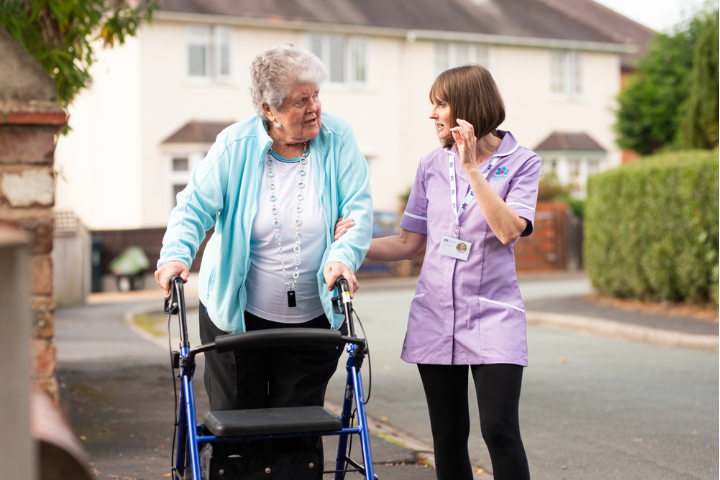
Carers also offer a steady arm for short walks, trips to the local butcher, or visits to community clubs, gradually tackling social isolation in older people from the comfort of home. Knowing how to help lonely older parents through flexible visiting support gives distant families complete peace of mind, replacing the heavy weight of loneliness in old age in 2026 with regular laughter and connection.

If your parent lives alone and would benefit from a warm, familiar face popping in for a chat, a walk, or a trip to the shops, Radfield Home Care is here to help. Our Care Professionals provide flexible visiting care and companionship tailored entirely to your parent’s favourite routines.
Contact your local Radfield Home Care office today to book a free, friendly care consultation.

Klaudiusz blends digital expertise with a person-centered approach to make care information clear and accessible.
Read moreGet in touch with your local Radfield Home Care office today and find out more about the support we offer and the difference we can make.