
National Office
Please enter the office location/term above to receive results for your closest office as well as information matches
National Office
Please enter the office location/term above to receive results for your closest office as well as information matches
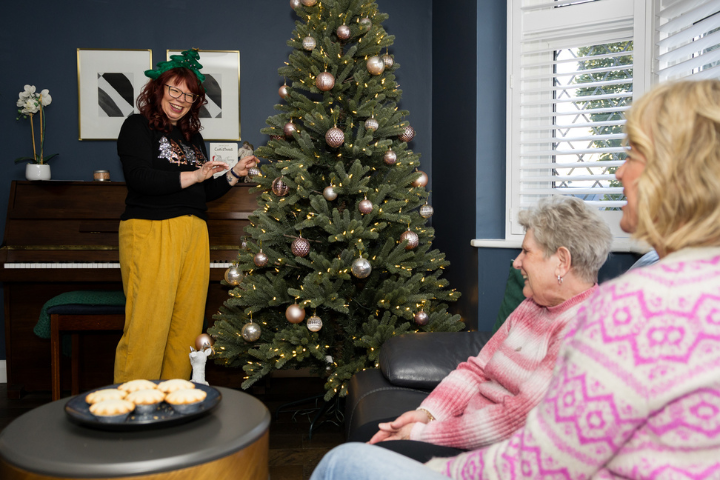
Christmas is often pictured as a joyful season filled with family chatter. Yet for families supporting an older parent with memory loss or cognitive decline, the reality can feel very different.
Learning how to make Christmas less stressful for ageing parents starts with understanding how the holiday environment impacts a changing brain. By making a few gentle adjustments, you can protect your parent’s comfort and enjoy a peaceful celebration together.
Christmas creates a sudden storm of sensory input and routine disruption that can quickly overwhelm a person living with cognitive decline.
For someone with Alzheimer’s or dementia, processing new information requires immense neurological effort. When faced with flashing tree lights, background television noise, unfamiliar smells, and multiple conversations happening at once, the brain struggles to filter out extra stimulation.
Well-meaning relatives often ask rapid questions such as “Do you remember me?” or “What did you do yesterday?” which can trigger deep feelings of anxiety or embarrassment. When an older adult feels unable to cope with this flood of activity, dementia sensory overload sets in, frequently leading to withdrawal, pacing, or distress.

Recognising the early triggers of dementia sensory overload helps families step in before an older parent becomes completely overwhelmed.
During the festive period, sensory triggers often build up quietly across several areas:
When an older adult experiences dementia sensory overload, they cannot simply block out the extra noise or glare. Instead, their system goes into high alert, showing up as physical fatigue, restlessness, or sudden refusal to eat.

Predictable daily routines provide a vital sense of safety and orientation for anyone living with memory loss.
When everyday schedules disappear during the holidays, you might notice a loved one with dementia struggling. Having breakfast two hours late, eating a heavy dinner mid-afternoon, or moving furniture to fit a Christmas tree breaks the familiar landmarks that guide an older person through their day.
Winter light changes also play a role. Late-afternoon shadows and early darkness can trigger “sundowning” (a state of heightened anxiety and confusion during the late afternoon). When combined with a house full of energetic guests, routine breaks make stress much more likely.
Keeping this in mind when planning holiday celebrations helps preserve the rhythm of the day while keeping festive warmth alive.
Spending time together over the festive period often brings unexpected shifts in a parent’s confidence to light. If you want to know what to look out for during family visits, read our guide on: Is my parent safe to live alone? Subtle signs you’ll miss on a weekend visit.

Creating a supportive environment does not mean cancelling the holiday; it simply means adapting celebrations to suit lower energy levels.
Applying these gentle adjustments is one of the most effective ways on how to make Christmas less stressful for ageing parents.

Arranging professional support during the busy winter season provides practical relief for both older adults and their family caregivers.
When family members act as full-time carers, hosts, and holiday cooks, burnout happens quickly. Bringing in professional home care over Christmas lifts the operational weight off your shoulders.
Visiting carers maintain vital daily routines behind the scenes:
Organising reliable home care over christmas gives you the freedom to step down from managing safety and return to being a loving son or daughter. Knowing how to make christmas less stressful for ageing parents allows your whole family to share meaningful, joyful moments together.

If you are caring for an ageing parent with dementia and want to ensure they stay calm, safe, and comfortable at home this Christmas, Radfield Home Care is here to help. Our local teams offer gentle visiting care and short-term respite support tailored to your family’s routine.
Contact your local Radfield Home Care office today to talk through your options.

Klaudiusz blends digital expertise with a person-centered approach to make care information clear and accessible.
Read moreGet in touch with your local Radfield Home Care office today and find out more about the support we offer and the difference we can make.