
National Office
Please enter the office location/term above to receive results for your closest office as well as information matches
National Office
Please enter the office location/term above to receive results for your closest office as well as information matches
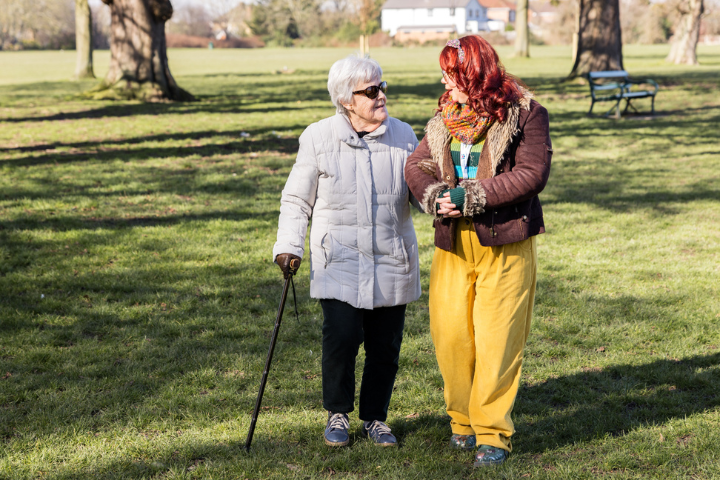
Staying socially connected can become more challenging as you age. Retirement, health conditions, reduced mobility, bereavement, and changing family circumstances can all affect how often people interact with others. While occasional solitude can be enjoyable, prolonged loneliness can have a significant impact on both physical and emotional wellbeing.
You might find yourself wondering how you can help or support your parent who is becoming more lonely and withdrawn. The answer often starts with recognising the importance of social connection and finding opportunities for meaningful engagement. Companionship, community involvement, and genuine human connection play an important role in helping older adults live happy, fulfilling lives.
Loneliness is a deeply personal experience. It is not simply about being alone. Many people enjoy spending time by themselves and feel perfectly content. Loneliness occurs when someone feels disconnected from others or lacks meaningful social interaction.
For older adults, several factors can contribute to these feelings. Retirement may reduce daily contact with colleagues. Health conditions can make travelling more difficult. Friends and family may move away, and sadly, the loss of a partner or close friends can leave significant gaps in someone’s social life.
These changes can happen gradually, making loneliness difficult to identify at first. Someone may appear to be coping well on the surface while quietly experiencing feelings of isolation. Recognising loneliness in older adults is an important first step in providing the right support.
Humans are naturally social beings. Meaningful relationships and regular interaction contribute to emotional wellbeing, confidence, and a sense of belonging.
Research consistently shows that staying socially connected in later life can support both mental and physical health. Positive social interaction can help reduce stress, boost mood, encourage physical activity, and even support cognitive wellbeing.
For older adults, social connections often provide structure and purpose. Looking forward to seeing friends, attending community events, or simply sharing a conversation over a cup of tea can make a significant difference to daily life. This is one reason why companionship care in Ilkley and across North Leeds has become such an important part of supporting wellbeing for older people.
Loneliness does not always present itself in obvious ways. Family members may notice subtle changes over time rather than a sudden shift in behaviour. Some common signs can include:
While these signs do not automatically mean someone is experiencing loneliness, they can indicate that additional social support may be beneficial. Open conversations and regular check-ins can help families better understand how a loved one is feeling.
Unlike personal care services, companionship care focuses primarily on social interaction, emotional support, and helping people remain connected to the activities they enjoy.
A companionship visit may involve sharing a conversation, enjoying a hobby together, going for a walk, visiting a local café, attending community events, or simply spending time together at home. The value of companionship care is not measured by tasks completed but by the relationships that develop over time. For many clients, seeing a familiar Care Professional becomes one of the highlights of their week. These regular visits provide consistency, friendship, and reassurance while supporting overall wellbeing.
Companionship care offers far-reaching benefits that extend well beyond reducing feelings of loneliness.
Regular social interaction can help individuals maintain confidence, engage with their interests, and feel more connected to the world around them. Having someone to talk to can provide emotional support during difficult times and encourage positive routines.
For families, companionship visits also provide reassurance. Knowing that a loved one has regular contact with a trusted professional can ease concerns, particularly when family members live further away or have busy schedules. Many people who receive elderly companionship in North Leeds find that regular visits help them remain active, engaged, and independent for longer.
While companionship at home is incredibly valuable, staying involved in the local community can also play a significant role in wellbeing. There are many opportunities for older adults to connect with others through social groups, events, wellbeing activities, and community organisations.
Remaining involved in local life helps people maintain a sense of purpose and belonging. It creates opportunities to meet new people, strengthen existing friendships, and continue participating in activities they enjoy. This is why community support for older people is such an important part of promoting healthy ageing.
One organisation making a real difference locally is the Clarke Foley Community Hub in Ilkley. The hub provides a welcoming environment where people can come together, take part in activities, learn new skills, and build meaningful social connections.
Radfield Home Care North Leeds & Ilkley has been proud to support and participate in several initiatives at Clarke Foley that focus on wellbeing and community engagement. We joined the centre’s VE Day celebrations, helping bring people together to mark an important moment in history while encouraging conversation and connection.
We also hosted a wellbeing coffee morning led by Ginny Marsh. The session gently guided attendees through simple ideas and exercises designed to help people feel more connected, more confident, and more like themselves again. It provided a relaxed space for people to share experiences, build new friendships, and focus on their emotional wellbeing. These events demonstrate how powerful community connection can be in supporting wellbeing for older people.
Another highlight this year was Radfield Home Care’s sponsorship of Wellbeing Month at Clarke Foley. We were incredibly proud to support this wonderful initiative, which focused on promoting health, happiness, and community connection throughout the month. As part of the celebrations, the centre hosted a range of activities designed to encourage people to prioritise their wellbeing and engage with others in their local area.
One of the standout events was the Health and Wellbeing Festival, which brought together organisations, residents, and community groups for a day dedicated to wellbeing and social connection. Initiatives like these play an important role in reducing loneliness in older adults by creating opportunities for meaningful interaction and helping people feel part of something bigger than themselves.
Many families want to help but are unsure where to start. The good news is that small actions can make a significant difference. Regular phone calls, visits, shared activities, and encouraging participation in community groups can all help strengthen social connections.
It can also be helpful to:
Every person is different, so finding the right combination of support is key.
People often think of independence in terms of physical ability, but social wellbeing is equally important. Someone may be managing daily tasks successfully yet still feel isolated or disconnected. Maintaining relationships, participating in community life, and having meaningful conversations all contribute to living independently and confidently.
Companionship care supports this wider view of independence. By helping people remain socially engaged, it can strengthen confidence and encourage continued participation in the activities that matter most. This is why home companionship services in Leeds are increasingly recognised as an important part of holistic care.
Like many aspects of wellbeing, loneliness is often easier to address early. Introducing companionship support before isolation becomes severe can help maintain routines, confidence, and community involvement. It allows trusted relationships to develop naturally and gives people the opportunity to continue enjoying the social aspects of life they value. Seeking support is not a sign of losing independence. In many cases, it is what helps preserve it.
If you would like to learn more about our companionship services or how we support wellbeing for older people across North Leeds and Ilkley, our friendly team would be delighted to help.
Find out more about our services and community initiatives here.
Because life is richer when it’s shared.

Caitlyn shares the stories of Radfield Home Care Harrogate, Wetherby & North Yorkshire through social media, helping clients and families feel connected to the team’s compassionate care.
Read moreGet in touch with your local Radfield Home Care office today and find out more about the support we offer and the difference we can make.