
National Office
Please enter the office location/term above to receive results for your closest office as well as information matches
National Office
Please enter the office location/term above to receive results for your closest office as well as information matches
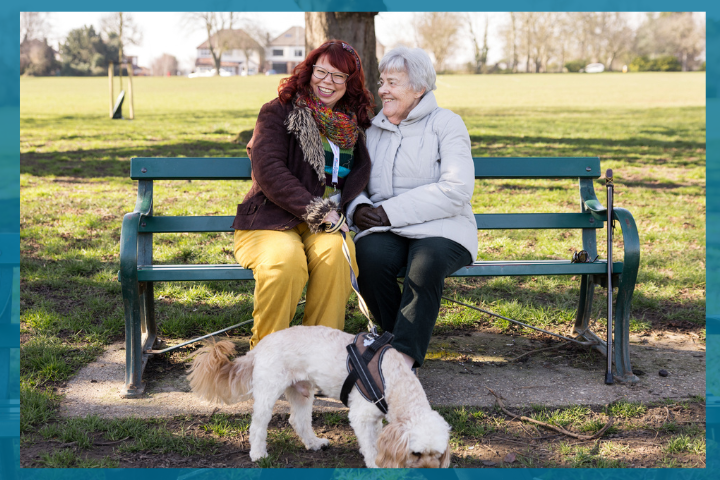
As the days grow longer and summer arrives, many of us look forward to spending time with friends and family, enjoying our favourite activities, and making the most of the brighter evenings. But for many older people, summer can highlight something quite different: loneliness.
At Radfield Home Care Bexhill, Hastings & Battle, we regularly meet older adults who have gradually become disconnected from the people, places and activities that used to be incredibly important to them. Often, this happens so slowly that neither they nor their families realise the impact until it has already begun to affect their physical and mental wellbeing.
The good news is that loneliness isn’t inevitable, and that small changes can make an extraordinary difference.
Life changes as we grow older. Retirement can reduce daily interactions. Bereavement may leave a huge gap in someone’s life. Health conditions and reduced mobility can make it harder to get out and about.
Gradually, familiar routines and connections disappear. Many older people don’t describe themselves as lonely. Instead, families notice subtle changes:
These signs are easy to dismiss as “just getting older”, but they deserve attention.
Human beings are wired for connection. Research consistently links strong social relationships with better physical and emotional health. Staying connected can help support:
Connection doesn’t need to involve large groups or busy social calendars. Sometimes, it starts with a single conversation.
Take a moment to think about yourself or someone close to you. Can you tick these boxes?
The impact of loneliness in later life can’t be underestimated. The more boxes you can tick, the stronger your social connections are likely to be. If only a few apply, it may be time to think about how additional support could help.
There is sometimes a misconception that companionship care simply means “having someone pop in for a chat.” In reality, it can be transformative. At Radfield Home Care Bexhill, Hastings & Battle, companionship care can involve:
The goal isn’t to take over. It’s to support and empower people to continue enjoying the life they want to live.
We’ve seen people reconnect with church groups after years away. We’ve supported clients back into local communities they thought they’d lost. We’ve helped people rediscover hobbies they hadn’t enjoyed in decades. Often, the biggest changes come from the smallest moments:
Families often carry enormous responsibility. You may live far away. You may be balancing work, children and other commitments. You may simply worry that you’re not doing enough.
Companionship support can bring reassurance as well as practical help. Knowing that someone is checking in, encouraging social interaction, and helping your loved one stay connected can provide invaluable peace of mind.
At Radfield Home Care Bexhill, Hastings & Battle, we believe ageing well isn’t simply about managing health conditions.
If you’re concerned that an older loved one may be becoming isolated, we’d love to help. Our companionship services are designed to support independence while helping people remain active, engaged and connected to the things they love most.
If you’d like to find out more about the support we offer, please get in touch with our friendly team today.

A former social worker, Samuel has a passion for supporting people to lead fulfilling lives.
Read moreGet in touch with your local Radfield Home Care office today and find out more about the support we offer and the difference we can make.