
National Office
Please enter the office location/term above to receive results for your closest office as well as information matches
National Office
Please enter the office location/term above to receive results for your closest office as well as information matches
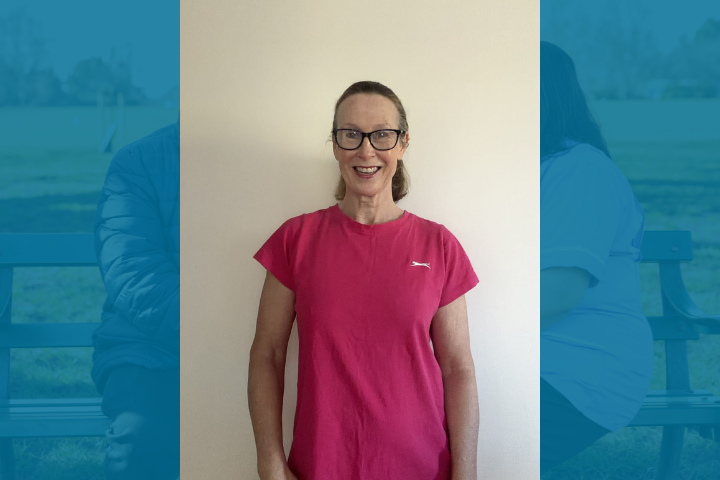
We are delighted to welcome and work with Sarah Gatehouse as one of our valued community partners. Sarah specialises in movement, balance and wellbeing for older adults. Sarah brings a wealth of experience as both an instructor and educator in this important field.
Many people think of exercise purely in terms of fitness but movement is about so much more. It plays a vital role in maintaining strength, balance, mobility, confidence, independence and quality of life as we grow older. With that in mind, Sarah and I thought it would be valuable to explore this topic together. So, Sarah, why is movement so important for healthy ageing and how can it help us maintain our grace, stability and independence in later life?
One of my favourite sayings is, “Strong muscles mean strong bones” . While we often think of muscles and bones as separate parts of the body, they work closely together. When we use our muscles through regular movement and strength-building activities we place gentle stress on our bones. This encourages the body to maintain and strengthen bone tissue, helping to reduce the risk of bone loss as we age.
As we get older, maintaining muscle strength becomes increasingly important. Ageing does increase the risk of osteoporosis (a bone condition where the bone mineral density and the bone mass decreases, leading to a poorer quality of bone). Strong muscles help support our joints, improve balance and stability, reduce the risk of falls, and make everyday activities easier. At the same time, stronger muscles help support healthier bones, creating a positive cycle that promotes independence, confidence, and resilience in later life.
The good news is that it is never too late to start. Even small amounts of regular movement and appropriate strength-based exercise can make a meaningful difference to both muscle and bone health.
Balance is something many of us take for granted until it begins to change. As we age, concerns about unsteadiness or falling can sometimes lead people to become less active, which can then further reduce strength, mobility, and confidence.
The good news is that balance can be improved and maintained through regular movement and targeted exercises. Better balance helps us feel more secure when walking, climbing stairs, getting in and out of chairs, or simply moving around our homes and communities. This increased sense of stability often leads to greater confidence in everyday life.
When people feel confident in their ability to move safely, they are more likely to remain active, social, and independent. In many ways, balance is not just about preventing falls, it is about preserving freedom, confidence, and quality of life.
The benefits of movement for older adults extend far beyond our muscles, bones, and balance. Regular physical activity can have a powerful effect on our mental and emotional wellbeing. When we move, our bodies release chemicals known as endorphins, often referred to as our “feel-good” hormones. These can help improve mood, reduce stress, and create a greater sense of wellbeing.
Movement can also help reduce feelings of anxiety, boost self-confidence, and provide a sense of achievement. Whether it is a structured exercise class, a walk with friends, gardening, dancing, or simply staying active throughout the day, movement can bring enjoyment and purpose as well as physical benefits. As we age, maintaining a positive outlook becomes just as important as maintaining physical health.
Regular movement can help us feel more energetic, more capable, and more connected to the world around us. In many ways, it supports not just a longer life, but a fuller and more enjoyable one.
One positive feature of regular movement that is often overlooked is better sleep. When we stay active during the day, our bodies and minds are more likely to settle into healthy sleep patterns at night. Good-quality sleep is essential for physical recovery, mental wellbeing, memory, concentration, and overall health.
Many people find that when they move more, they not only feel better during the day but also sleep more deeply and wake feeling more refreshed. In this way, movement and sleep work hand in hand: movement can improve sleep, and good sleep helps us feel more energised and ready to stay active. Sleep is one of the foundations of healthy ageing, and regular movement is one of the simplest and most effective ways to support it.
Another set of benefits of movement and exercise for older adults is the role it plays in reducing the risk of falls. Falls are not an inevitable part of ageing, and there is much we can do to help maintain strength, balance, coordination, and confidence as we grow older.
A fall can sometimes be more than just a temporary setback. For some people, it can mark the beginning of a decline in confidence, activity levels, strength, and independence. After a fall, people may understandably become more cautious and move less, but this reduction in activity can lead to further muscle loss, reduced balance, and increasing frailty.
This is why maintaining muscle strength and regular movement is so important. Exercise helps combat sarcopenia, the age-related loss of muscle mass and strength—which is one of the key contributors to frailty. By staying active, we can help preserve mobility, maintain independence, and continue doing the things that bring meaning and enjoyment to life.
One of my mantras while working with people is ‘if you don’t use it, you will lose it’. This is especially true of my clients who have had a fall and may be in hospital for a week or two. It is imperative that movement continues. Results can be seen in days following a period of inactivity after a fall. The goal is not simply to prevent falls; it is to support people in remaining strong, capable, confident, and independent for as long as possible.
Movement is not only beneficial for the body; it can also play an important role in supporting brain health. Research continues to show that regular physical activity can help improve blood flow to the brain, support cognitive function, and contribute to overall wellbeing.
For people living with dementia, movement can be particularly valuable. Gentle exercise and purposeful movement can help improve mood, reduce agitation, support mobility, encourage social interaction, and help people remain engaged with the world around them. While movement is not a cure for dementia, it can be a powerful tool in helping people live well and maintain their quality of life.
This is one of the reasons I am passionate about working alongside community groups such as Radfield Home Care’s Reflections dementia group. Incorporating movement into these sessions provides an opportunity for participants to exercise in a safe, supportive, and enjoyable environment. Just as importantly, it brings people together, encourages confidence, and reminds us that movement can be a source of joy as well as a pathway to better health.
Even simple activities such as stretching, seated exercises, balance work, dancing, or moving to music can make a meaningful difference. Every movement matters, and every opportunity to keep active is an investment in both physical and cognitive wellbeing.
Our hearts are muscles too, and like all muscles, they benefit from regular activity. Movement and exercise help keep the heart and circulatory system working efficiently, improving blood flow throughout the body and helping to deliver oxygen and nutrients to our muscles, organs, and brain.
Regular physical activity can help support healthy blood pressure, improve circulation, assist with weight management, and reduce the risk of a number of long-term health conditions. Even moderate activities such as walking, swimming, gardening, dancing, or chair-based exercises can contribute to better cardiovascular health.
The encouraging news is that you do not need to become an athlete to experience these benefits. Small amounts of regular movement, performed consistently, can make a significant difference over time. Every step, every stretch, and every movement is an investment in a healthier heart and a healthier future.
Perhaps the greatest reward of regular movement is its ability to help people maintain their independence. Most of us want the same thing as we grow older: to remain in our own homes, make our own choices, continue enjoying our routines, and stay connected to the people and communities we love.
I do tell my clients that ‘a little and often is better than nothing at all’ My clients often tell me that once they are moving a little they start to feel better and sometimes want to do more.
Some movement helps make this possible. By maintaining strength, balance, mobility, confidence, and overall health, people are often better able to carry out everyday activities such as shopping, cooking, dressing, socialising, and getting out and about independently. These may seem like simple tasks, but they are the building blocks of independence and dignity.
At Radfield Home Care Camberley, Farnborough & Fleet, we are passionate about helping people live well in the place they most want to be: their own home. Supporting people to stay active is an important part of that vision. The aim is not simply to add years to life, but to add life to years, helping people remain confident, capable, and engaged for as long as possible.
Healthy ageing is not about turning back the clock. It is about preserving ability, maintaining dignity, and enabling people to continue living life on their own terms. Every step taken today is an investment in the independence of tomorrow.
We would like to extend our sincere thanks to Sarah Gatehouse for sharing her knowledge, experience, and passion for helping older adults stay active, independent, and well. Sarah’s commitment to improving strength, balance, confidence, and overall wellbeing is making a real difference in the lives of many people within our community.
We are delighted that Sarah will also be supporting our Reflections dementia groups, where her expertise in movement and exercise will help participants enjoy the many physical, cognitive, and social benefits that staying active can bring.
At Radfield Home Care, we believe that healthy ageing is about maintaining independence, dignity, and quality of life for as long as possible. Working alongside dedicated community partners such as Sarah helps us support older adults and their families on that journey.
If you have any questions about the topics discussed in this article, would like to learn more about our Reflections dementia groups, or would like information about the support available from Radfield Home Care Camberley, Farnborough & Fleet, please do not hesitate to get in touch with our friendly team here.
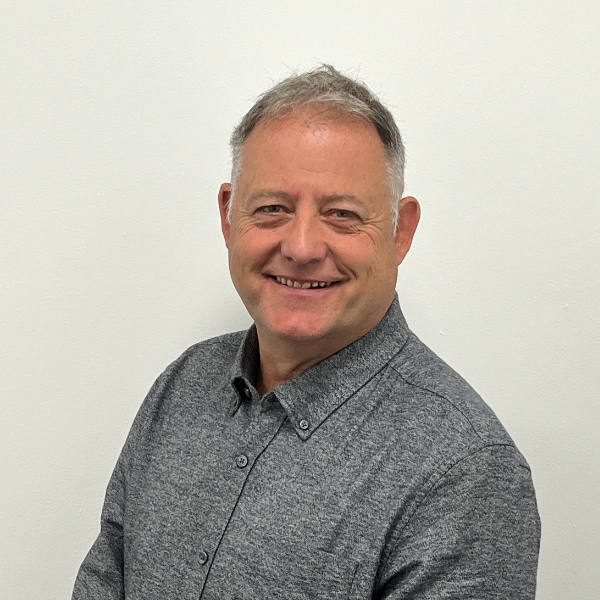
Mike is our community engagement manager in the Camberley and Guildford areas, maintaining Radfield’s key relationships in the community.
Read moreGet in touch with your local Radfield Home Care office today and find out more about the support we offer and the difference we can make.