
National Office
Please enter the office location/term above to receive results for your closest office as well as information matches
National Office
Please enter the office location/term above to receive results for your closest office as well as information matches
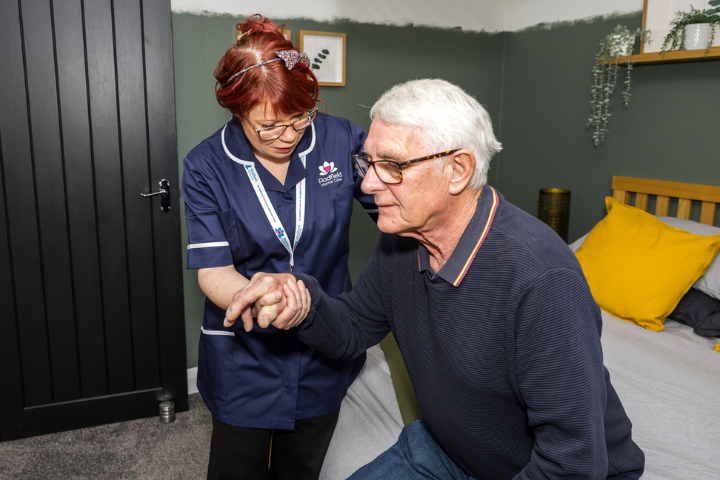
Many older adults continue to live independently and enjoy active, fulfilling lives well into later years. However, there may come a point when additional support is beneficial.
You might find yourself asking the question “how do I know if mum or dad needs home care?”.
The answer is rarely a single event or obvious moment. More often, it is a combination of small signs that begin to appear over time. Recognising care needs early can make a significant difference. By seeking support before a crisis occurs, families can help loved ones maintain their independence, confidence and comfort at home for longer.
Many people associate home care with advanced age or significant health conditions. In reality, home care can be introduced much earlier and often works best when it is.
Early support allows individuals to continue living independently while receiving help with specific tasks that may have become more challenging. Rather than reducing independence, the right care can actually help preserve it.
For families considering home care in Harrogate, it is important to remember that support can be tailored to your needs. Some people may benefit from just a few hours of assistance each week, while others may require more regular support. The goal is always to enhance quality of life and help people continue doing the things that matter most to them.
One of the earliest signs that a mum or dad may need home care is a noticeable change in personal appearance or hygiene.
Someone who has always taken pride in their appearance may begin to wear the same clothes repeatedly, neglect grooming routines, or appear less well presented than usual. There can be many reasons for this. Mobility issues, reduced energy levels, arthritis, or memory difficulties can all make daily personal care more challenging.
These changes are not always easy to spot, particularly if family members do not see their loved one every day. However, when personal care routines begin to slip consistently, it may indicate that some extra assistance would be beneficial. Home care support in North Yorkshire can provide sensitive, respectful help with personal care while maintaining dignity and independence.
Another common indicator is when household tasks begin to feel overwhelming.
You may notice that a once tidy home is becoming cluttered or less clean than usual. Laundry may be piling up, bins may not be emptied regularly, or routine maintenance tasks may be neglected. This does not necessarily mean someone can no longer live independently. Often, it simply suggests that certain tasks have become physically demanding or tiring.
A little support with housekeeping, laundry, shopping, or meal preparation can help older adults continue enjoying life at home without the stress of managing everything alone.
Good nutrition plays an important role in health and wellbeing, particularly in later life. Sometimes families begin to notice signs that a loved one is struggling with food preparation or maintaining a balanced diet. An empty fridge, expired food, unexplained weight loss, or a lack of interest in cooking can all be warning signs. Preparing meals every day can become more difficult due to reduced mobility, health conditions, fatigue, or memory problems.
This is one reason why care at home in Wetherby can be so valuable. Support with meal preparation, shopping, and hydration helps ensure older adults continue receiving the nutrition they need to stay healthy and independent.
Occasional forgetfulness is a normal part of life. However, persistent memory concerns may indicate that additional support could be helpful. Families may notice appointments being missed, medications being forgotten, or confusion around dates and daily routines.
Memory changes do not automatically mean someone requires extensive care. In many cases, practical support and gentle reminders can help people continue managing successfully at home. Recognising these early signs of needing care allows families to put supportive measures in place before problems become more serious.
Physical changes often occur gradually, making them easy to overlook. Perhaps your loved one seems slower getting up from a chair, avoids using the stairs, or appears less confident walking outdoors. They may mention feeling unsteady or begin limiting activities they previously enjoyed. Falls are one of the leading causes of injury among older adults, and even a minor fall can have a significant impact on confidence.
Some common signs include:
Recognising these changes early can help families access support before a fall occurs.
As people age, social circles can naturally become smaller. Friends may move away, health conditions may limit mobility, or confidence in going out alone may decrease. However, prolonged isolation can have a significant impact on both physical and emotional wellbeing.
You may notice that your loved one is declining invitations, spending more time alone, or showing less interest in activities they once enjoyed. Sometimes loneliness can develop gradually, making it difficult to identify. Companionship is an important part of person-centred care.
Regular visits from a trusted Care Professional can provide meaningful conversation, emotional support, and encouragement to remain connected with the local community. At Radfield Home Care, helping people maintain social connections is a key part of supporting independence at home for older adults.
Medication management can become increasingly complex with age. Prescriptions may change, dosage instructions can become confusing, and memory issues may make it harder to maintain routines. Missing medication or taking incorrect doses can have serious consequences for health and wellbeing.
Families sometimes notice unopened medication packets, confusion about prescriptions, or uncertainty around when medication should be taken. Professional support can help ensure medication routines are followed correctly and safely, reducing stress for both individuals and their loved ones.
Sometimes the biggest sign is simply a growing feeling that something is not quite right. Family members often notice subtle changes long before a major issue develops. You may find yourself worrying more frequently, checking in multiple times each day, or feeling concerned about leaving your loved one alone. Trusting these instincts is important.
Many families delay seeking support because they worry they are overreacting. In reality, exploring home care guidance for families early can provide reassurance and help prevent future difficulties. Seeking advice does not mean committing to immediate care. It simply allows you to understand what options are available.
A common question families ask is: “When should I consider home care for my mum or dad?”. The answer is often sooner than people expect.
If everyday tasks are becoming difficult, confidence is declining, or family members are increasingly concerned, it may be worth exploring support options. Home care does not need to be introduced only when someone can no longer manage independently. In fact, early intervention often produces the best outcomes.
By introducing support gradually, older adults can build trusted relationships with Care Professionals and maintain greater control over their routines and lifestyle.
Many people are surprised by how positively home care can impact daily life.
Rather than waiting for a crisis, early support can help:
Most importantly, it allows care to be introduced on the individual’s terms, rather than in response to an emergency situation.
Every individual is unique, which is why care should never follow a one-size-fits-all approach.
At Radfield Home Care Harrogate, Wetherby & North Yorkshire, person-centred care plans are tailored to each client’s needs, preferences and goals. Support may begin with companionship visits or help around the home and evolve over time as circumstances change. This flexibility ensures that people receive the right level of support at the right time.
Radfield’s commitment to helping older adults remain active and connected also extends beyond care visits. Through community partnerships, events and local initiatives, we support opportunities for older people to stay engaged, build confidence and continue enjoying life within their communities.
Talking about home care can sometimes feel difficult. Many older adults worry that accepting support means losing independence. In reality, the opposite is often true.
Approaching the conversation with empathy, patience and understanding can make a significant difference. Focus on the benefits that support can provide, rather than the challenges someone may be experiencing. The goal is not to take over. It is to help individuals continue living safely, confidently and comfortably in the place they know and love.
Recognising the signs that a mum or dad may need home care is not always easy. Changes often happen gradually, and every situation is different. However, by recognising care needs early and seeking support before a crisis occurs, families can help loved ones maintain their independence, wellbeing and quality of life.
Whether you are beginning to notice subtle changes or simply looking for elderly care advice in Harrogate, having the right information can help you make confident decisions.
If you would like to learn more about our personalised home care services or discuss how we can support a loved one, our friendly team would be happy to help.
Find out more about our services here.

Caitlyn shares the stories of Radfield Home Care Harrogate, Wetherby & North Yorkshire through social media, helping clients and families feel connected to the team’s compassionate care.
Read moreGet in touch with your local Radfield Home Care office today and find out more about the support we offer and the difference we can make.