
National Office
Please enter the office location/term above to receive results for your closest office as well as information matches
National Office
Please enter the office location/term above to receive results for your closest office as well as information matches
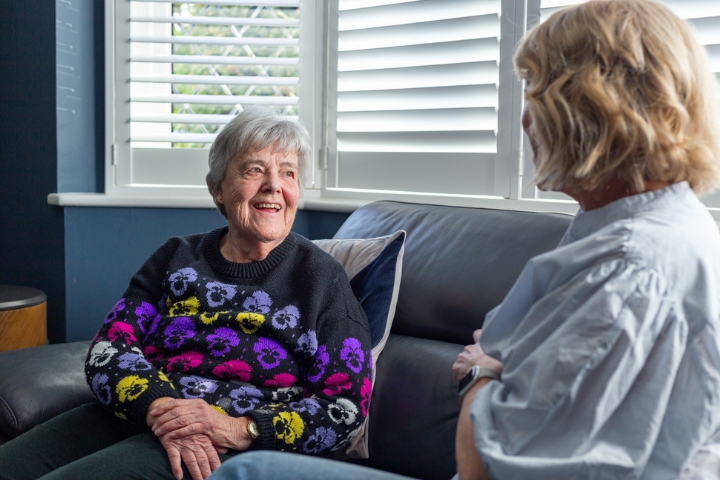
When we think of the word “care”, the images that often come to mind are of someone being supported with a hoist, helped to shower or assisted with dressing. These are important forms of care, but care does not always begin there.
Sometimes a parent or relative is medically stable but quietly struggling with everyday life. They may be eating less because preparing a proper meal feels like too much effort, may not be drinking enough, may have stopped going out after a fall or may be missing appointments because organising and attending them has become difficult. There may be no new diagnosis or immediate medical crisis. From the outside, everything can appear broadly fine. But the everyday routines that protect their health, confidence and independence may gradually be falling away.
Families often contact the GP first, and any new or worsening change should be medically assessed.
GPs and NHS services diagnose and treat illness, review medication and arrange appropriate clinical care. However, families may also need regular, practical support with meals, hydration, shopping, appointments, mobility and everyday routines. This is where home care can provide valuable support, helping someone manage the everyday tasks that may be becoming difficult while continuing to live safely and independently at home.
It does not have to mean extensive care or a major change to someone’s routine. Sometimes, a small amount of regular support can make a significant difference.
Changes worth noticing include:
Several small changes together can be just as important as one obvious incident.
If a change is sudden or includes new confusion, weakness, breathlessness, pain or another worrying symptom, seek medical advice promptly. Home care complements healthcare; it does not replace medical assessment or treatment.
Speak to the GP about health changes
If there has been a noticeable change in energy, appetite, mobility, mood or behaviour, begin by ruling out an underlying medical cause.
Ask about social prescribing
If isolation, reduced confidence or a lack of activity is affecting wellbeing, ask the GP practice whether Mum or Dad could speak to a Social Prescribing Link Worker.
Social prescribing link workers connect people with community groups, activities and services that address practical, social and emotional needs. NHS England explains social prescribing here.
However, identifying a suitable activity does not always solve the practical difficulty. Mum may want to attend a local group but feel unable to travel there alone. Dad may know that he should eat properly but no longer have the energy to shop and cook.
Social prescribing can help identify opportunities. Home care can provide the one-to-one support that enables someone to make use of them.
Home care is not only for someone with extensive personal care needs. It can begin with a small amount of practical support shaped around the person’s existing routine.
A Care Professional might prepare lunch, encourage regular drinks, support a trip to the shops, accompany someone to an appointment or help them start going out again. They can also support personal care and medication routines if these become difficult.
The NHS guide to home care explains that support can range from occasional visits to more substantial assistance.
Good home care should not take over someone’s life. It should help them continue living it, with greater safety, confidence and control.
Rather than saying, “You need a carer,” begin with the specific difficulty Mum or Dad is experiencing:
“Would it help if someone prepared lunch with you?”
“Would you feel more confident if someone came to the appointment?”
“What would make it easier for you to start going out again?”
“What would help you continue living here as you want to?”
Starting with one meaningful priority can make support feel less like a loss of independence and more like a way of protecting it.
Families do not need to wait for a fall, hospital admission or complete loss of independence before seeking advice.
For families in Northwood, Ruislip, Uxbridge, Ickenham, Moor Park and surrounding areas, home care can provide practical support before everyday difficulties become a crisis.
At Radfield Home Care Northwood, Ruislip & Uxbridge, we see care as far more than completing a list of tasks. It is about helping someone eat well, drink regularly, maintain important routines, attend appointments, get out safely and remain connected to the life they value.
Our local team supports families across Moor Park, Northwood, Northwood Hills, Ruislip, Eastcote, Ickenham, Uxbridge, Harefield, Denham and surrounding areas.
Not sure what support Mum or Dad needs? Explore our home care services, or call us on 01923 624 587 for a free, no-obligation care conversation.
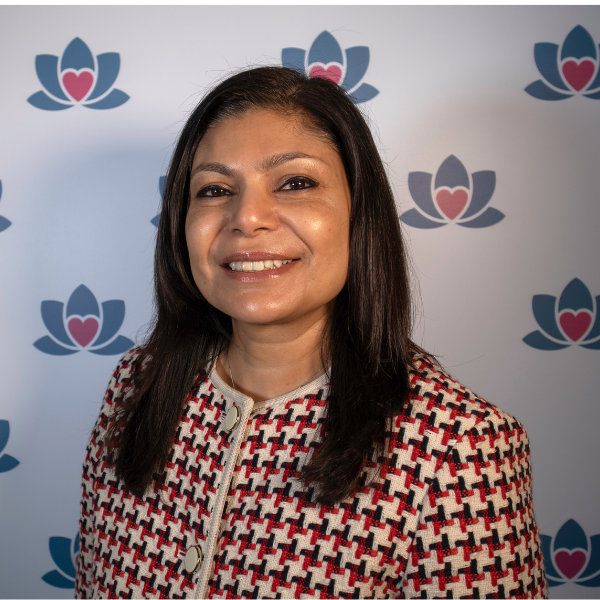
Mugdha combines global strategic expertise with a passion for delivering dignified, professional, and compassionate home care.
Read moreGet in touch with your local Radfield Home Care office today and find out more about the support we offer and the difference we can make.