
National Office
Please enter the office location/term above to receive results for your closest office as well as information matches
National Office
Please enter the office location/term above to receive results for your closest office as well as information matches
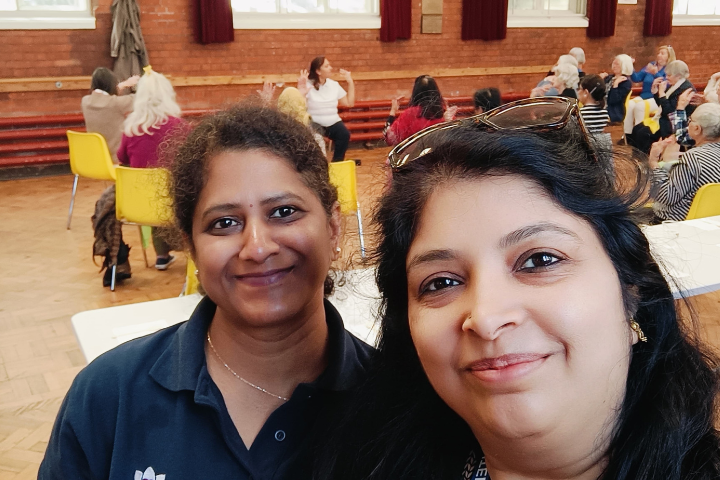
At a recent speaking event, I spoke about one of the most demanding and emotional journeys a family can face: navigating dementia care.
Alongside a doctor, we brought two essential perspectives into the room: clinical understanding and real-world care delivery. Together, we offered a complete view of dementia care. One grounded in diagnosis, progression, and evidence. The other rooted in the lived reality of supporting someone day after day, as dementia reshapes their world.
From my position as a home care provider, I shared what dementia care at home looks like beyond the clinical setting. Not just care plans and routines, but the quiet moments, the confusion, the repetition, and the emotional weight carried by families trying to do their best in unfamiliar territory.

Clinically, dementia describes a group of progressive neurological conditions, including Alzheimer’s disease, that affect memory, cognition, behaviour, and communication. However, for families, the experience goes far beyond the diagnosis.
It is the moment someone no longer recognises a familiar face. Subtle changes can quickly become more significant. Confusion, anxiety, personality changes, and difficulty with everyday tasks often emerge earlier than expected. these changes can feel overwhelming and difficult to manage.
Without that understanding, what appears as difficult behaviour is often a form of communication. Distress, fear, and confusion are frequently expressed in ways that can be misunderstood without proper dementia care guidance.
A diagnosis can bring clarity, but it also raises questions that medicine alone cannot answer. What does this mean at home? How do routines need to change? How do you respond when communication becomes difficult?
This is where clinical knowledge must translate into practical support through in-home dementia care.
Consistency, structure, and familiarity are not just preferences. They are clinically informed approaches used by professional dementia caregivers to reduce anxiety and help individuals feel safe. Small adjustments in environment, communication style, and routine can have a profound impact on wellbeing.
Without the right dementia support for families, many are left to navigate this gap alone. That is where overwhelm begins.
One of the most powerful aspects of the event was the openness from those in the room. Families spoke about exhaustion, uncertainty, and the emotional impact of dementia as they watched their loved one change over time.
There is often a sense of responsibility to manage everything alone. To cope. To adapt. To keep going.
But caring for someone with dementia at home without support can become unsustainable. Compassionate dementia care services exist to ensure that both the individual and their family receive the support they need.

From a clinical perspective, early dementia support and intervention are critical. Not only in managing symptoms, but in creating a dementia care planning approach that preserves dignity, reduces distress, and supports long-term wellbeing.
When families seek guidance early, they are better equipped to understand what is happening and why. They can put the right structures in place, build confidence, and avoid crisis situations.
The benefits of home care for dementia patients include stability, familiarity, and personalised support. Quality, person-centred dementia care allows individuals to remain in their own home while receiving consistent, professional care.
For those searching for dementia care services in London or across the UK, accessing trusted dementia support early can make a meaningful difference.
Dementia care sits at the intersection of clinical expertise and human connection. It is not just about managing a condition. It is about recognising the individual and supporting the family around them.
What became clear at the event was this: when clinical insight and real-world dementia care at home come together, families feel more supported, more informed, and less alone.
If you are starting to think about care options, wondering when to seek help for dementia care, or looking for professional dementia caregivers, seeking the right guidance early is one of the most important steps you can take.
In a journey as complex as dementia, the right support can make all the difference.
Whether you’re here to seek help or simply need guidance on the next steps, we’re here to listen.

Lavanya leads the Radfield Home Care Watford & Borehamwood office and is driven by a passion for assisting others with empathy and compassion.
Read moreGet in touch with your local Radfield Home Care office today and find out more about the support we offer and the difference we can make.