
National Office
Please enter the office location/term above to receive results for your closest office as well as information matches
National Office
Please enter the office location/term above to receive results for your closest office as well as information matches
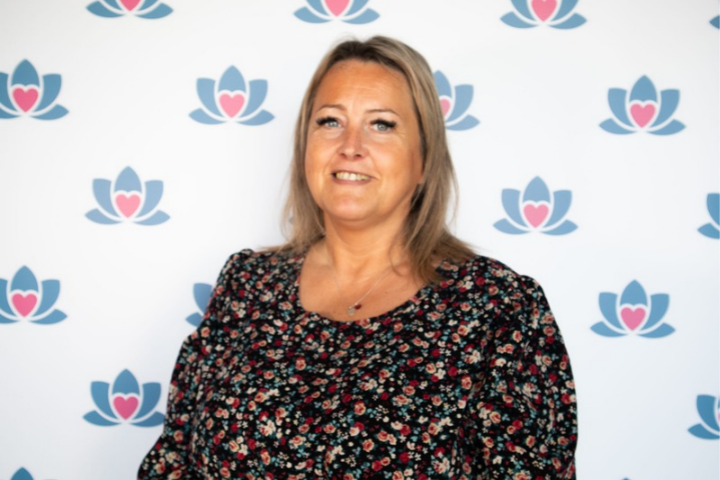
A personal reflection by Victoria Baker, based on 27 years working in health and social care.
For the last 27 years, I have worked across the health and social care sector. During that time, I have met hundreds of people who need daily support, but I have also met another group of extraordinary individuals who rarely get the recognition they deserve.
The husbands, wives, sons, daughters, neighbours, and friends. The people who quietly, almost imperceptibly, become unpaid carers.
Rarely does anyone set out with a formal plan to become a carer. It almost always starts with something small: a daughter begins doing her mum’s weekly shopping, a husband starts helping his wife get dressed in the morning, or a son takes over managing medical appointments. Someone starts making an extra phone call every evening just to make sure everything is okay.
Gradually, without anyone explicitly naming the shift, those small acts of everyday kindness become a full-time responsibility.
One of the most profound lessons I have learned over nearly three decades is that caring for a loved one can be incredibly isolating. As the person receiving care becomes less independent, the person providing that care often finds their own world shrinking, too.
Hobbies are put on hold. Work hours are reduced. Social invitations are turned down, and even leaving the house for a couple of hours to run errands can cause overwhelming anxiety. Beneath it all lies a heavy, unexpressed guilt:
“I can’t leave them,” “What if something happens while I’m out?” or “I should be able to manage this on my own.”
I have seen countless devoted carers reach a breaking point where they simply cannot continue without extra support. Reaching that point is never a personal failure, nor does it mean you care any less.
Often, it is precisely because someone loves their relative so deeply that they have carried the load alone for far too long. Unpaid family carers are the backbone of our communities, but we have to ask ourselves a fundamental question: who is looking after them?
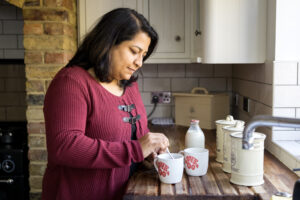
Supporting a carer doesn’t always require complex medical interventions, sometimes, it starts with a cup of tea, a warm conversation, and a familiar face. Carers need welcoming spaces where they can step out of the clinical environment and simply feel seen as individuals.
This belief was the driving force behind establishing The Radfield Club at St Luke’s Church in Bowdon. The club wasn’t created just as a place for older adults to spend a few hours; it was built to give both clients and their family carers something genuine to look forward to.
When a carer drops their loved one off knowing they are in a safe, engaging environment, it gives them precious time to recharge. Whether that means meeting a friend for coffee, taking a walk, running errands without rushing, or simply sitting quietly at home, a few hours of true respite can make a world of difference to a carer’s mental wellbeing.
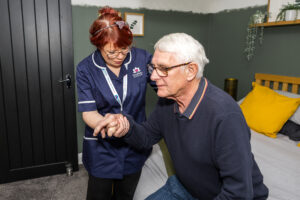
There is no single, one-size-fits-all solution to social care. Day groups like the one in Bowdon are wonderful for many, but they won’t suit everyone. Some older adults prefer one-to-one companionship at home, gentle walks in the local park, or assistance attending established community groups.
Support also extends far beyond formal care services. Over the past few months, our team has spent time getting to know the local networks across Altrincham, Sale, Timperley, Hale, Bowdon, and the wider Trafford area to map out existing resources.
From local coffee mornings and walking clubs to church groups and memory cafés. A key part of our role is simply signposting families to the wonderful community initiatives that already exist on their doorstep.
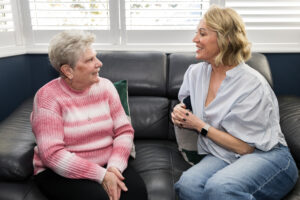
If 27 years in care has taught me anything, it is that families almost always seek help too late. People tend to wait until they are physically exhausted, until an unexpected fall occurs, or until the primary carer becomes unwell themselves.
We need to make it far easier for families to talk about support before a crisis hits. Asking for help is not a sign of giving up, taking a break does not mean you care any less, and accepting a little extra support at home often helps older adults maintain their independence for much longer.
Ultimately, we need to care for the person sitting beside the client, the person making the calls, doing the shopping, worrying at 2am, and balancing everyday life. Sometimes, the most powerful thing we can offer a family isn’t another assessment; it is giving a dedicated carer permission to say, “I need a little help, too.”
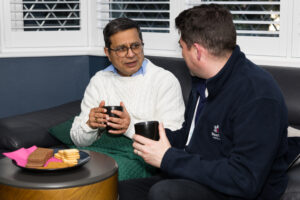
Whether you want to learn more about The Radfield Club in Bowdon, need visiting companionship for a parent, or simply want an informal chat about local support groups, our local team are here for you.
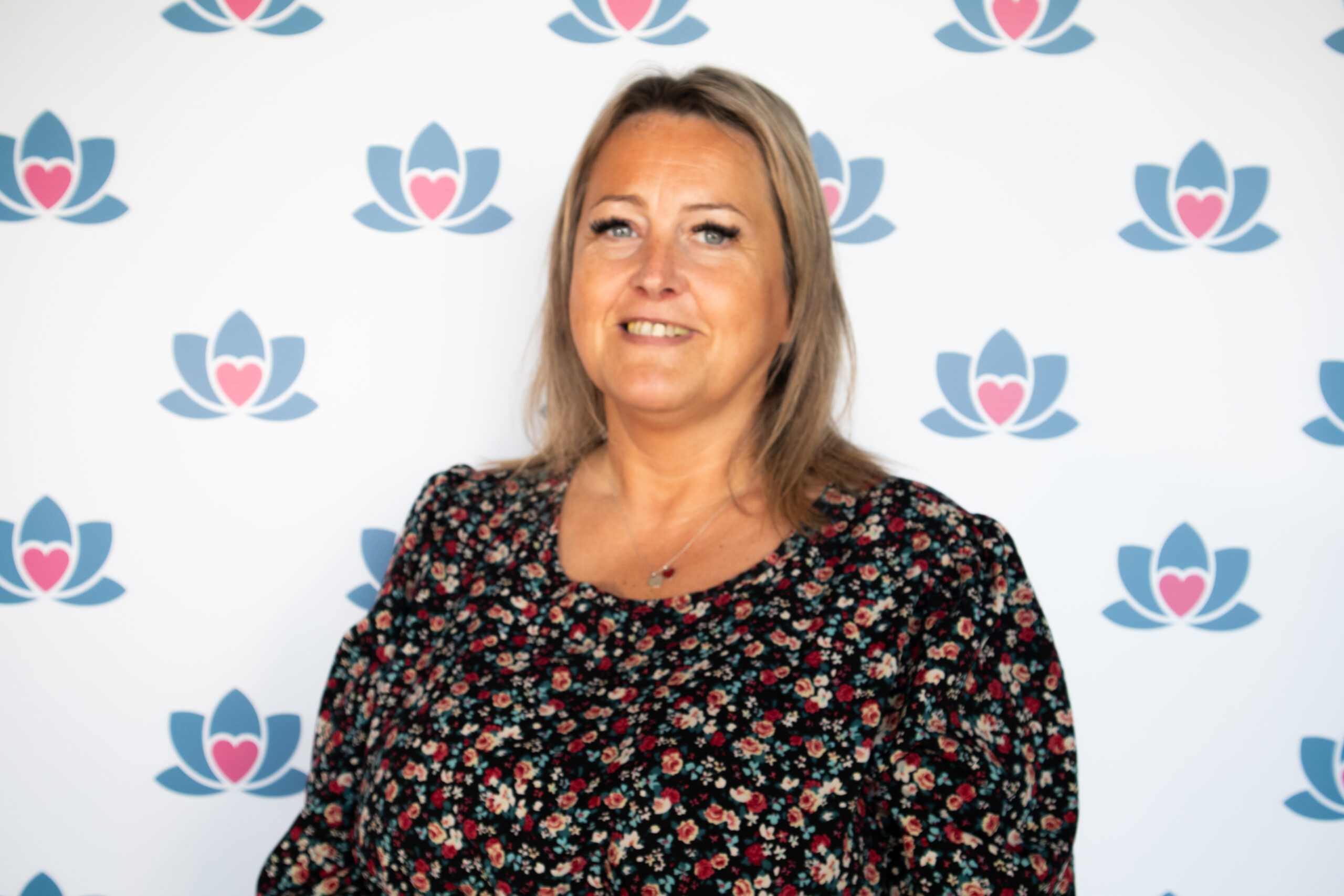
Victoria brings over two decades of extensive, hands-on experience to her role as Registered Care Manager.
Read moreGet in touch with your local Radfield Home Care office today and find out more about the support we offer and the difference we can make.