
National Office
Please enter the office location/term above to receive results for your closest office as well as information matches
National Office
Please enter the office location/term above to receive results for your closest office as well as information matches
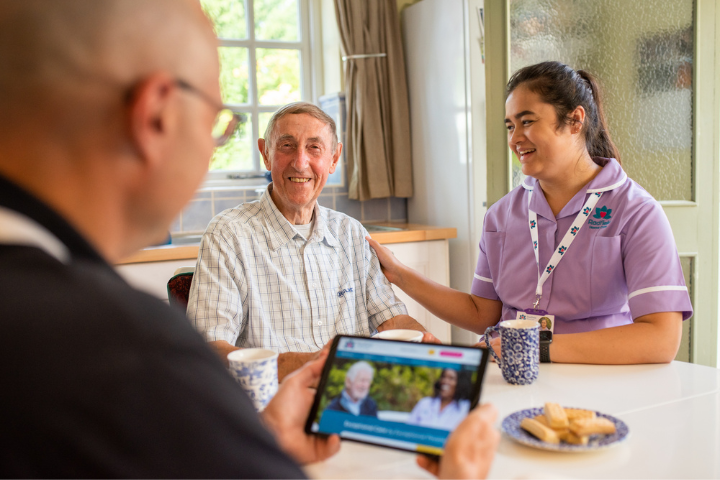
For many couples the desire to stay in familiar surroundings remains strong, even as their health needs begin to diverge. However, a home that was perfect thirty years ago may present new challenges today.
This article explores how you can adapt a shared home to ensure it remains a safe haven for both parents, regardless of their individual health journeys, and is part of our larger guide on Home care for couples.

When two people live together with different physical or cognitive abilities, the home environment needs to work twice as hard. Hazards that once seemed minor can quickly become significant risks, especially if one partner is overcompensating for the other’s mobility or memory challenges.
To help you identify potential risks, we have highlighted the most common household hazards found in the family home:
While these hazards may seem small individually, for a couple managing different health needs, they can quickly become barriers to independence. Identifying these risks early is the first step in ensuring both parents can move freely and safely.
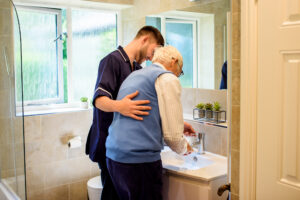
Adapting a home doesn’t always require major construction. Small, thoughtful changes can have a profound impact on daily independence, allowing your parents to navigate their day with confidence.
Here are several simple yet effective ways to improve the accessibility of a shared home:
Lighting is perhaps the most underrated modification. Increasing the wattage in lamps and installing motion-sensor lights in hallways can prevent falls during the night. These “invisible” updates ensure that the home remains functional for a parent with increasing needs without making the environment feel clinical for their partner.

While a family can spot obvious hazards, a professional home assessment provides a comprehensive, expert view of the living environment. At Radfield Home Care, we don’t just look at the floorplan; we look at how your parents live their lives.
Our assessments consider the unique routine of the couple, how they move from room to room, how they interact, and where the most common household hazards occur. We provide practical, tailored recommendations that support both individuals. This proactive approach helps families stay ahead of changing needs, ensuring that a crisis never becomes the catalyst for change.
If you are looking for deeper insights into how to support your parents as their needs evolve, our upcoming comprehensive guide provides further expert advice. Read our full guide on “Home care for couples“ to explore bespoke care planning, specialist dementia support, and maintaining a shared social life.
If you’d like one of our Care Professionals to carry out a home assessment, then get in touch! Your local office will be happy to help.

Klaudiusz blends digital expertise with a person-centered approach to make care information clear and accessible.
Read moreGet in touch with your local Radfield Home Care office today and find out more about the support we offer and the difference we can make.