
National Office
Please enter the office location/term above to receive results for your closest office as well as information matches
National Office
Please enter the office location/term above to receive results for your closest office as well as information matches
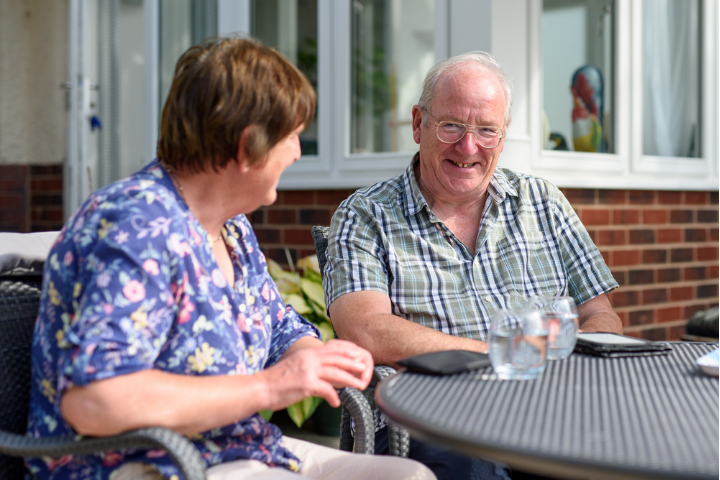
For many families the commitment of marriage is defined by the promise to stay together through every challenge. As parents age, this promise often takes on a new, more demanding form.
What begins as a shared life of mutual support can slowly become unbalanced; one person often carries the weight of their partner’s health needs. Supporting a spouse at home can put a lot of stress on one partner, you might notice your parents’ relationship changing as the joy of companionship is replaced by the logistics of medication and mobility.
This shift in responsibilities often begins quietly, reshaping the daily dynamic long before formal care is ever considered.
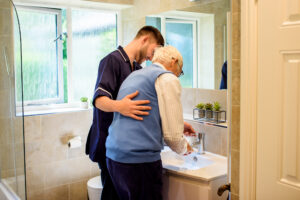
This transition is often quiet and gradual. It starts with a husband helping his wife with the post or a wife taking over the driving for her husband. These acts are born from love; however, they eventually become a full-time role.
When a partner spends their entire day managing prescriptions, personal care, and domestic chores, they have less energy for being a spouse. The domestic roles that once defined their marriage are buried under the requirements of daily care; this leaves little room for the shared history they have built together over decades.
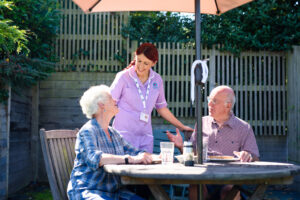
It is important to monitor your parents for signs of exhaustion and stress. This is not just about physical tiredness; it is a deep emotional drain. Carer burnout often shows as social withdrawal, persistent irritability, or a lack of interest in their own hobbies.
Many spouses feel a sense of guilt at the thought of asking for help, believing they should be able to manage alone. If a parent seems overwhelmed by small decisions or struggles to find time for themselves, they are likely at their limit. Identifying these signs early is important for the health of both parents.

Maintaining the status quo of a relationship is a primary goal of professional home care. When a spouse is busy acting as a nurse or a housekeeper, the emotional connection of the partnership is at risk.
By introducing support, the pressure is shared across a wider team. This allows a couple to remain together in their familiar environment, surrounded by their own memories and possessions.
Staying together in the home they love is fundamental to ageing well; it provides a sense of safety that a clinical residential facility cannot provide.
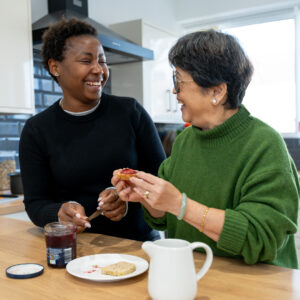
Our Care Professionals are trained to understand the unique household dynamic of a couple. By taking on the physical tasks of care, they return the gift of time to the husband or wife.
This might mean the partner can enjoy a walk in the garden or sit down for a meal without the stress of being “on duty”. We treat our Care Professionals like family so they can treat your parents with the same warmth and respect. This support is about creating a safe environment where the bond between a husband and wife remains the priority, not the medical diagnosis.
To help couples maintain their independence, we offer a range of visiting care services tailored to the household’s specific needs:

Support within the home is about more than just medical tasks. It involves meal planning that respects different tastes, managing social calendars, and ensuring the home is safe from hazards. Simple adjustments to the environment can make the home more navigable; this reduces the daily anxiety of the carer.
This bespoke approach ensures that neither partner feels overshadowed by the health challenges of the other. Whether it is providing a few hours of respite or assistance with complex mobility, we tailor our support to ensure your parents can live life on their own terms.
If you are currently supporting parents who are managing different health journeys under one roof, you may find our guide on “Home care for couples“ helpful. It goes into depth about bespoke care planning, home safety, and maintaining independence together.

Hollie has a vast array of skills she has developed throughout her career from working in varying roles and fields, which she uses to greatly benefit the Radfield team.
Read moreGet in touch with your local Radfield Home Care office today and find out more about the support we offer and the difference we can make.