
National Office
Please enter the office location/term above to receive results for your closest office as well as information matches
National Office
Please enter the office location/term above to receive results for your closest office as well as information matches
Recent research from the National Institute for Health and Care Research (NIHR) shows a growing concern regarding unmet food needs in the UK. This issue is a hidden crisis; many individuals suffer from a lack of essential nutrients despite consuming enough calories.
Spotting the early signs of malnutrition in older people can prevent hospital admissions and support long-term health. This form of micronutrient deficiency, known as hidden hunger in older adults, often develops quietly over time.
Many families mistake nutritional issues for early-stage dementia when a relative becomes confused. Low levels of vitamin B12 and folate can cause symptoms that mimic early-stage dementia, such as confusion, memory loss, and changes in behaviour. Families frequently worry about cognitive decline when the root cause is actually nutritional neglect.
Of course, these cognitive impairments can genuinely be symptoms of a neurodegenerative condition. Because the indicators of severe vitamin deficiencies and progressive cognitive decline overlap so significantly, it is absolutely essential to get a professional medical evaluation. If you’d like information on how to support a loved one with dementia during meal times, read our article on Dementia Friendly Dining here.
Booking a thorough check-up with a GP or clinician is the only definitive way to establish the true cause, ensure accurate treatment, and get the right support path for conditions like early-stage dementia.
By identifying these specific vitamin deficiencies, medical professionals can reverse symptoms that look like early-stage dementia. Understanding hidden hunger in older adults involves looking past weight loss to see these hidden deficiencies. Addressing these issues before they impact cognitive performance is essential for maintaining independence.
Understanding the signs of malnutrition in older people involves looking closely at daily habits. Food relates to personal identity, dignity, and independence. When older people lose the ability to choose their own food, their mental wellbeing often declines. To prevent this, care teams use digital food logs and real-time reporting systems to spot nutritional issues early.
Addressing hidden hunger in older adults requires a blend of digital observation and physical support. Tracking daily food intake allows family members to see patterns of decline before serious physical symptoms appear.
Spotting these nutritional issues early prevents long-term health complications and keeps individuals safer in their own homes. By identifying nutritional issues early, care plans can be adjusted before health declines.
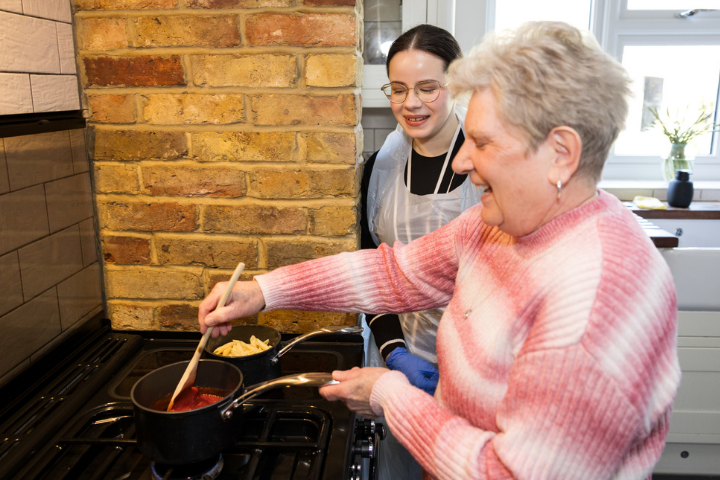
When cooking becomes difficult, daily nutrition often suffers. Radfield Care Professionals visit clients to help them maintain their dietary health. They prepare fresh, nutritious meals that match personal tastes and cultural heritage, ensuring that lunch or dinner is an enjoyable experience.
Having a dedicated professional prepare fresh meals restores a sense of dignity and routine. This focused support targets the primary signs of malnutrition in older people by making sure fresh food is always available.
If you think that you or a loved one could benefit from support, reach out to your local Radfield Home Care office.

Luke brings 20+ years’ healthcare experience, ensuring safe, high-quality, dignified care at Radfield.
Read moreGet in touch with your local Radfield Home Care office today and find out more about the support we offer and the difference we can make.