
National Office
Please enter the office location/term above to receive results for your closest office as well as information matches
National Office
Please enter the office location/term above to receive results for your closest office as well as information matches
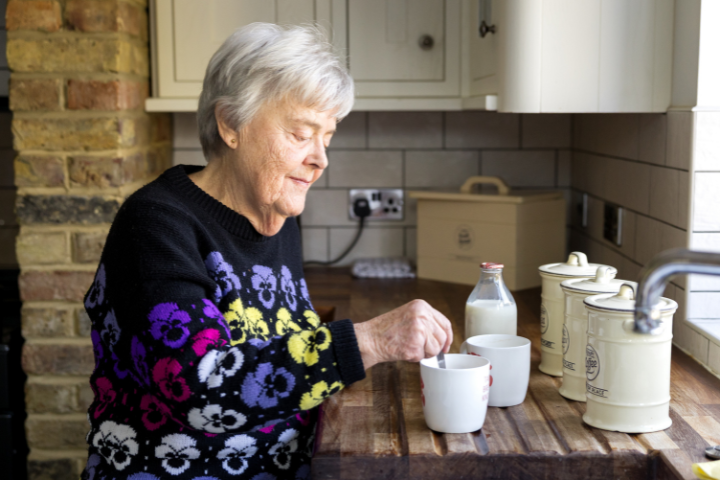
Most families don’t start by asking for a specific type of care. They start with a much simpler, and often more difficult, question: “How much help do we actually need?”
It’s a completely natural question. And the honest answer is: It depends, but there are some clear signs to guide you.
In most situations, care needs don’t change overnight. They shift gradually, often impacting a person’s ability to manage
You might notice:
Individually, these changes can feel manageable. But over time, they build, and families often find themselves quietly doing more and more, without always realising how much has changed or that they are now providing significant unpaid care.
One of the biggest misconceptions about home care is that it’s about doing everything. It isn’t.
When looking at domiciliary care options, the right level of support is about doing enough to:
That balance looks different for everyone.
What this might look like in practice varies depending on the individual’s needs. For some people, “enough” may mean one short visit a day to support a routine that’s becoming harder, such as medication prompting or breakfast.
For others, it might be support morning and evening to create structure, consistency, and help with personal care.
And for some families, it becomes clear that needs are increasing beyond what short visits can comfortably support. This is often where conversations begin to shift towards:
Not because everything has suddenly changed, but because the level of support hasn’t kept pace with what’s actually needed to maintain a high quality of life.
Many families we speak to describe a similar pattern. They may begin with one visit a day, mainly for reassurance. Over time, they notice evenings becoming more unsettled, or routines feeling harder to manage. Family members begin to step in more frequently, often without really noticing how much they are taking on.
Gradually, support increases, not all at once, but in response to what’s actually changing. This kind of steady adjustment is often what allows care to remain calm and manageable, rather than becoming reactive or rushed.
One of the most important things to understand is this: Care doesn’t have to be a big, fixed decision. It should evolve.
Starting with the right level of support early can often prevent:
We often see that when care is introduced calmly and proportionately, everything that follows becomes easier.
Families often begin to reconsider the level of care and look for a more formal care review when they notice:
These are not signs of failure. They are simply signs that needs are changing, and support may need to change too.
Instead of asking, “What’s the minimum we can manage with?” it can be more helpful to ask: “What level of support would make life feel calmer, safer and more sustainable?”
That shift in thinking moving from is often where better decisions begin.
At its best, home care should never feel rushed, inconsistent or pieced together. It should feel:
This is where professional oversight and continuity of care make a meaningful difference, helping ensure care remains consistent, even as circumstances evolve.
If you’ve found yourself wondering whether the current level of support is still enough, it can be helpful to talk things through with someone who understands how care can evolve over time.
Many families find it reassuring to have an initial home care consultation, not to make a decision straight away, but simply to understand what options might look like, both now and in the future.
You may also find this guide helpful: What to Expect During a Care Consultation
It explains how these conversations work, and how we help families explore the right level of support at their own pace.
Alternatively, reach out to our friendly team at Radfield Home Care Wakefield & Huddersfield.
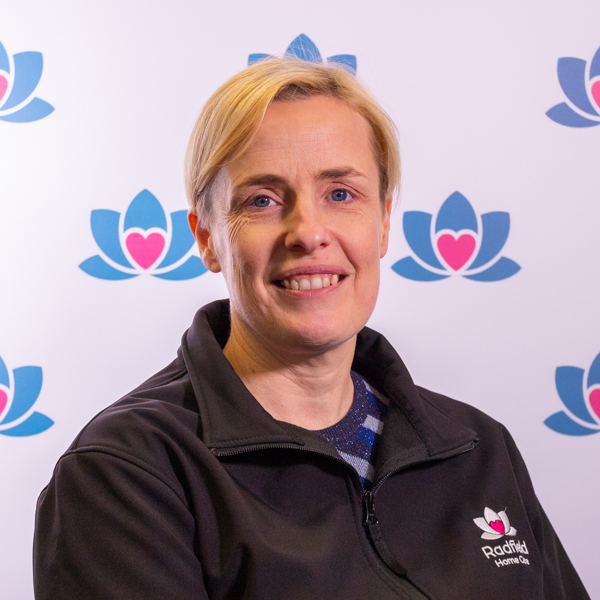
Jackie is committed to ensuring the quality of services provided remains outstanding and enjoys guiding the strategic direction of the business.
Read moreGet in touch with your local Radfield Home Care office today and find out more about the support we offer and the difference we can make.